With Earth Day quickly approaching I wanted to start early this year giving everyone a chance to start noticing ways to reduce waste around their home. There are so many little changes that we can start implementing to help lesson our impact on our environment. Reducing waste in our daily lives can seem like a daunting task, but by taking small, manageable steps, you can significantly decrease your environmental footprint. The journey towards a zero-waste lifestyle doesn’t have to be overwhelming. In fact, it can be both fun and rewarding as you discover new habits and products that align with a more sustainable way of living. To get you started, here are ten easy zero-waste swaps for beginners that can make a big difference over time.
The Impact of Waste and Landfills
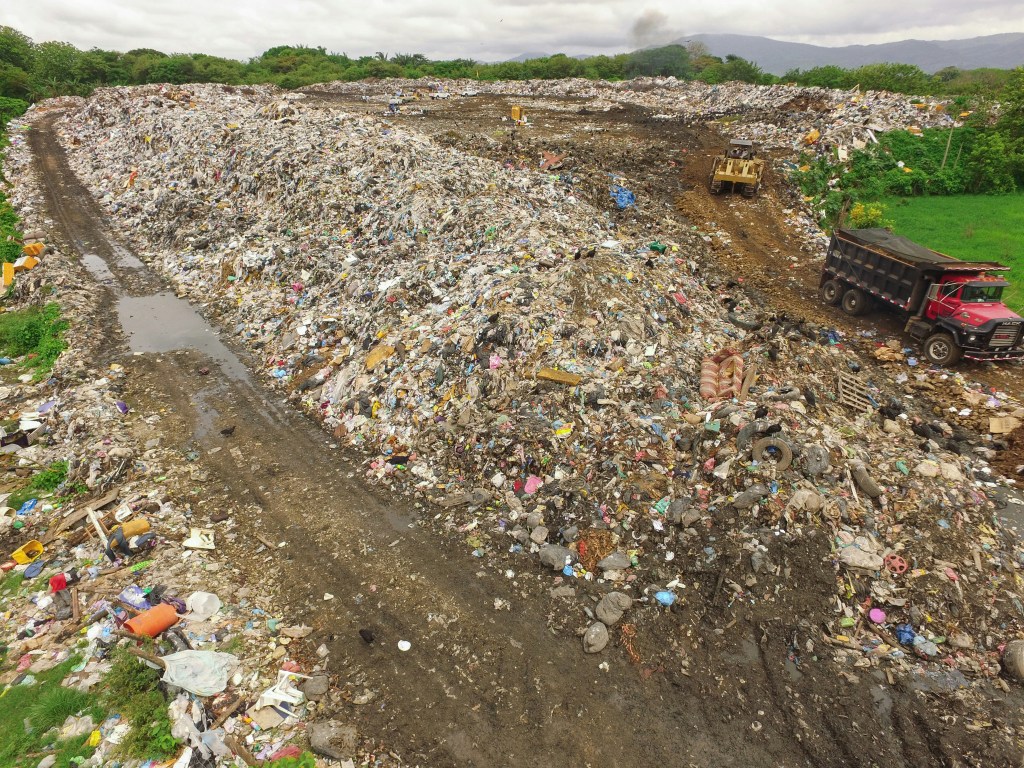
Before diving into the swaps, it’s important to understand the environmental impact of waste. According to the Environmental Protection Agency, the average American generates about 4.9 pounds of trash per day, contributing to the 292.4 million tons of waste produced each year in the United States alone. A significant portion of this waste ends up in landfills, where it releases methane, a potent greenhouse gas that contributes to climate change. Additionally, plastic waste in particular poses a severe threat to wildlife and ecosystems, with millions of tons of plastic entering the oceans every year. By making conscious choices to reduce waste, you can help mitigate these environmental challenges and contribute to a healthier planet.
1. Reusable Shopping Bags
One of the simplest swaps is to replace single-use plastic bags with reusable shopping bags. Americans use an estimated 100 billion plastic bags annually, many of which end up in landfills and oceans. Keep a few cloth or mesh bags in your car or by the front door so you always have them when you head to the store. Not only do these bags help reduce plastic waste, but they’re also sturdier and can carry more items. Be sure to actually bring them though, store them in your car to always have them on hand. What’s the point of buying reusable bags to save the environment if you have to keep buying more?!
2. Reusable Water Bottles

Instead of constantly buying plastic water bottles, invest in a durable, reusable one—it’s a simple swap that makes a huge impact. The U.S. goes through about 50 billion plastic water bottles per year, yet only 23% actually get recycled, leaving billions to pile up in landfills. A good stainless steel or glass bottle keeps your drinks fresh, lasts for years, and saves you money… as long as you’re not out here hoarding 50 Stanleys. Seriously, we only need one or two cups, people—overconsumption is still a thing!
3. Beeswax Wraps
Replace plastic wrap with beeswax wraps for storing food. Americans use enough plastic wrap each year to shrink-wrap the state of Texas. Beeswax wraps are made from cotton infused with beeswax, tree resin, and jojoba oil, making them pliable and sticky enough to cover bowls or wrap food items. They’re reusable, washable, and compostable at the end of their life cycle.
4. Cloth Napkins & Reusable Hand Towels

Switching to reusable alternatives for everyday disposables is a simple yet impactful way to reduce waste and save money. Instead of paper napkins, opt for durable cloth napkins—Americans use an estimated 3,000 paper napkins per person each year, most of which are discarded after a single use. Cloth napkins, especially those made from cotton or linen, are highly absorbent, easy to care for, and can be washed and reused countless times, adding both sustainability and a touch of elegance to your meals. Likewise, replacing paper towels with reusable hand towels can significantly cut down on waste. We stopped using paper towels two years ago and have saved a surprising amount of money while reducing our household waste. With Americans going through about 13 billion pounds of paper towels annually, most of which end up in landfills, this simple switch makes a big difference for both the planet and your budget.
5. Refillable Cleaning Products
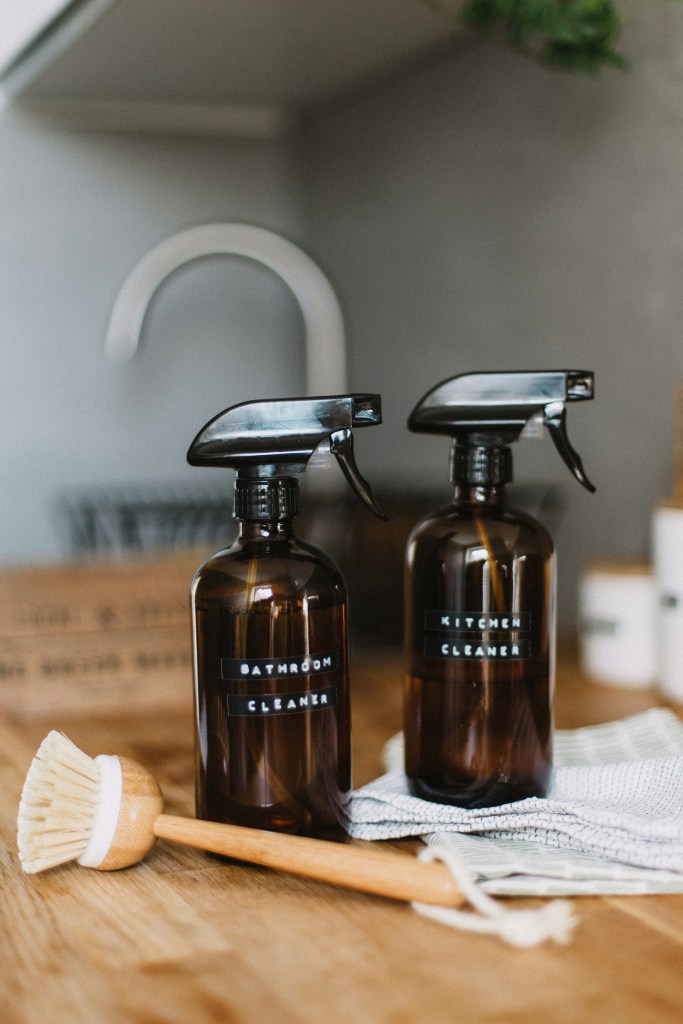
Many brands now offer refill stations for cleaning products, or you can opt for concentrated versions that allow you to dilute them at home, significantly reducing plastic waste. With Americans purchasing around 50 billion plastic bottles of water and cleaning products annually—many of which end up in landfills—small changes like this make a big difference. It’s also incredibly easy to make your own! We keep glass spray bottles on hand and use a simple vinegar-based cleaner for almost everything, and we even make our own laundry detergent, refilling the same container each time. These small swaps have saved us so much money, but beyond the financial benefits, it’s about reducing our environmental footprint and choosing safer, healthier options for our home.
6. Reusable Produce Bags
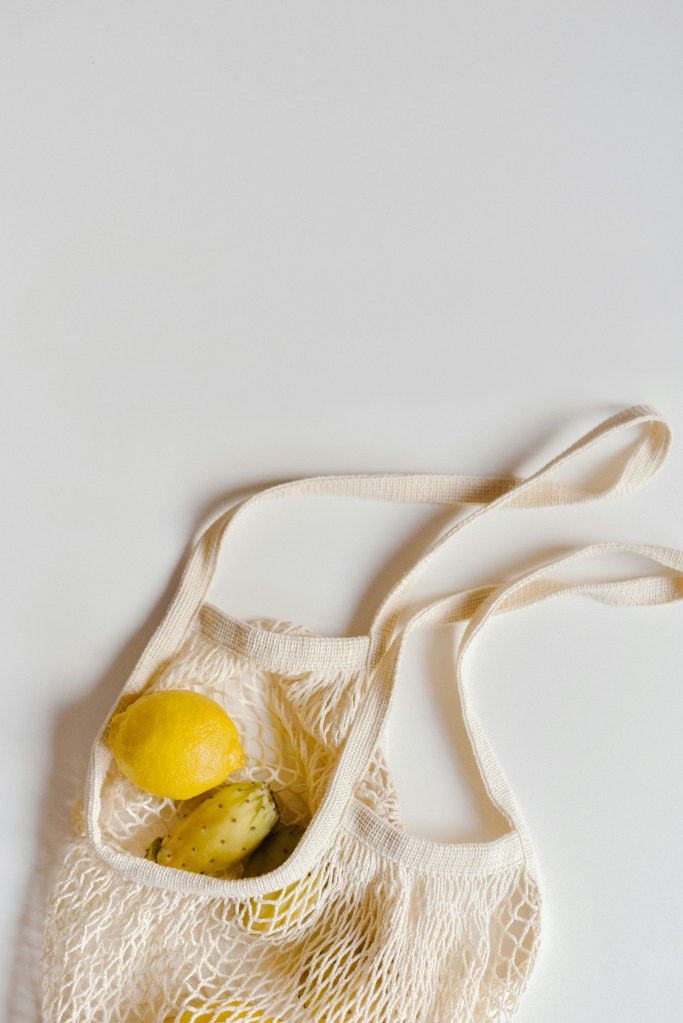
When shopping for fruits and vegetables, use reusable produce bags instead of the plastic ones provided in stores. Mesh bags are lightweight, washable, and perfect for carrying your produce without adding extra waste. This swap helps reduce the estimated 5 trillion plastic bags used worldwide each year.
7. Stainless Steel or Silicone Straws
If you enjoy using straws, consider swapping disposable plastic ones for reusable stainless steel or silicone versions. Americans use approximately 500 million plastic straws daily, many of which contribute to ocean pollution. Reusable straws are easy to clean with a straw brush and are available in various sizes to suit your needs, from smoothies to cocktails.
8. Bar Soap and Shampoo
Switching from liquid soap and shampoo in plastic bottles to bar versions can significantly cut down on packaging waste. I have used several different companies that provide superb shampoo and conditioner bars , the one I’m currently using is Viori, they use ethically sourced ingredients and are fair trade certified. I recently started offering Viori in my salon to further cut down on my environmental impact and support smaller businesses who are committed to reducing their waste as well. If you prefer liquid shampoo, you can also make your own and put it into a reusable glass jar with a pump. Look for soap and shampoo bars that come in minimal or recyclable packaging, and consider using a soap dish to keep them dry and lasting longer.

9. Menstrual Cups or Reusable Silicone Disks
For those who menstruate, using a menstrual cup or reusable silicone disk can drastically reduce the amount of waste generated by disposable products. I’ve used a reusable silicone disk for several years (until my hysterectomy last year) and it has saved me hundreds of dollars. It’s easy to use and has made my cycle a little more comfortable. These reusable options are comfortable, cost-effective over time, and better for the environment, considering the average person uses over 11,000 disposable menstrual products in their lifetime.
10. Compostable Toothbrushes
Swap your plastic toothbrush for one made from bamboo or another compostable material. Plastic toothbrushes contribute to the 1 billion toothbrushes thrown away annually in the U.S. alone. Compostable toothbrushes are just as effective at cleaning your teeth but have the added benefit of being biodegradable, reducing plastic waste in landfills.
Bonus: Backyard Chickens!
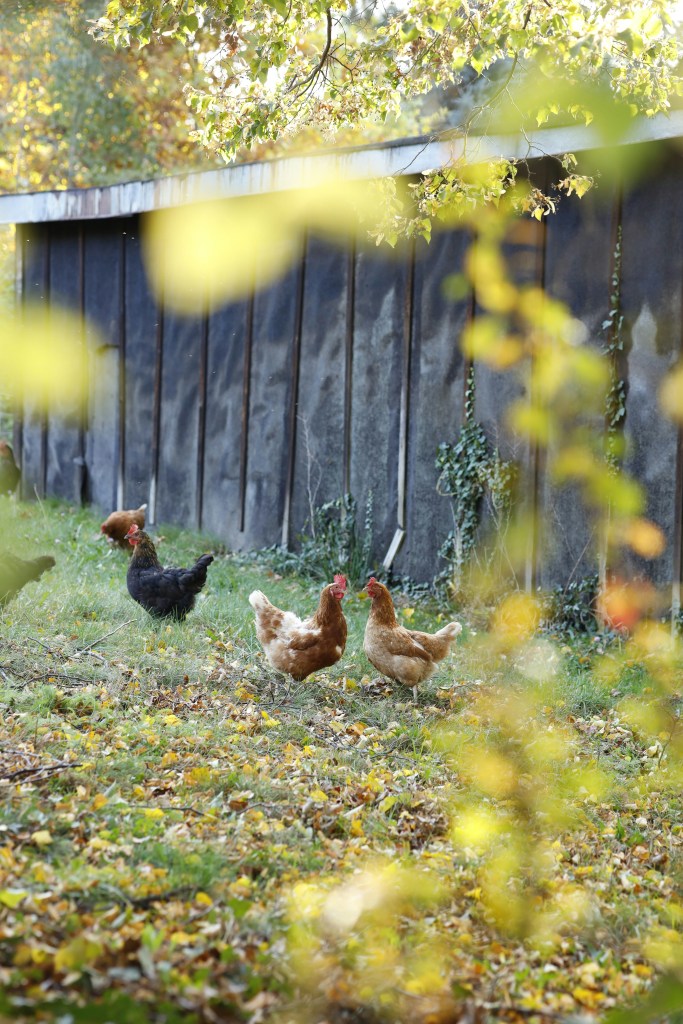
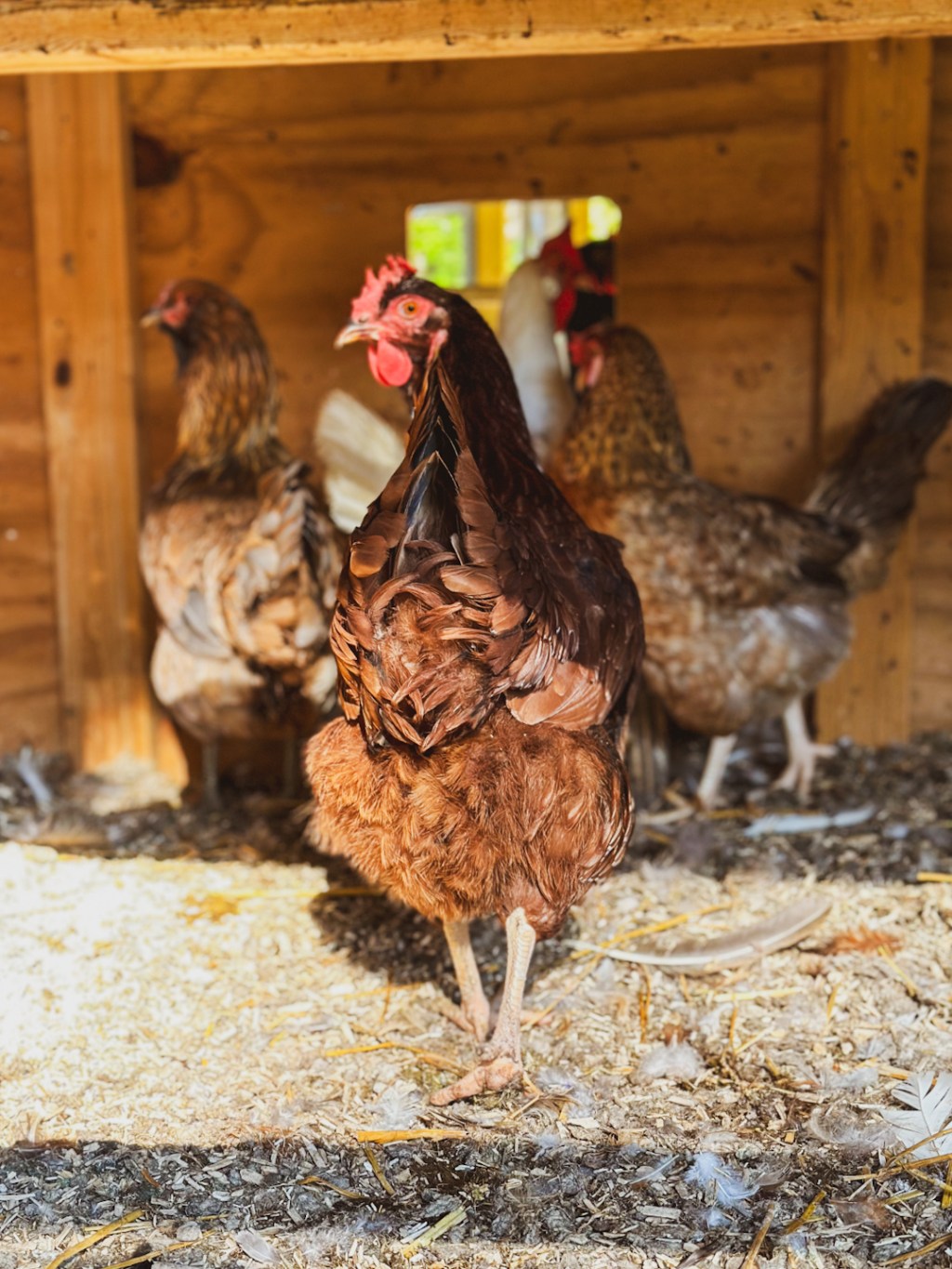
One of the most rewarding and efficient ways to manage household waste is by raising chickens. These incredible birds act as natural composters, consuming a significant portion of kitchen scraps, including vegetable peels, fruit rinds, stale bread, and even dairy or meat in small amounts. A single chicken can eat up to a pound of food waste per day, drastically reducing the amount of organic material that ends up in landfills, where it would otherwise produce methane—a major contributor to climate change. Beyond waste management, chickens provide fresh, nutrient-dense eggs, contribute to soil health through their nitrogen-rich manure, and help control pests by eating insects and weeds. While some may think chickens require vast amounts of land, the reality is that even a small backyard can accommodate a few hens. A minimum of 2-3 square feet per chicken inside a coop and at least 8-10 square feet per bird in an outdoor run is recommended, though free-ranging when possible offers even greater benefits. Studies, such as those conducted by the University of California Cooperative Extension, have highlighted the ecological and economic benefits of backyard chickens, showing that they not only help reduce household food waste but also promote sustainable living. Whether you’re in a suburban backyard or a homestead, adding chickens to your waste-reduction plan is a practical, rewarding, and environmentally friendly choice.
Additional Tips for Reducing Waste
Beyond these swaps, consider buying products with little to no plastic packaging. Opt for items packaged in glass, metal, or cardboard, which are easier to recycle. Shopping locally is another great way to reduce waste; local markets often use less packaging, and buying from nearby sources reduces the carbon footprint associated with transportation. Additionally, buying second-hand not only helps reduce waste but also supports a circular economy where items are reused and repurposed instead of being discarded. I love going to thrift stores and finding secondhand items that I actually need—it’s like a treasure hunt with a purpose. There’s something so satisfying about searching through the racks and shelves, uncovering unique finds that have history and character while also keeping perfectly good items out of the landfill.

By making these simple swaps, you’re taking meaningful steps towards a more sustainable lifestyle. Remember, the goal is progress, not perfection. Each change you make helps to reduce waste and protect our planet. As you incorporate these habits into your daily routine, you may find yourself inspired to explore even more ways to live sustainably. Embrace the journey, celebrate your progress, and enjoy the positive impact you’re making on the environment.
What changes have you made in your home to reduce waste? Have you noticed a difference in your spending habits or the amount of trash you produce? Small shifts in our daily routines can lead to big impacts over time. Whether it’s composting, shopping secondhand, cutting out single-use plastics, or even raising backyard chickens, every step toward a more sustainable lifestyle helps both the planet and your wallet. I’d love to hear about the changes you’ve made and how they’ve affected your life—share your experiences in the comments!

 The Wandering Walkers
Leave a comment