Gardening in Florida is an adventure filled with endless possibilities, thanks to its warm climate and year-round growing potential. Even in a small backyard within an HOA community, we’ve turned every inch of space into a thriving homestead garden. With creativity, innovation, and dedication, we’ve created a lush and productive space that includes plants, trees, animals, and sustainable systems.
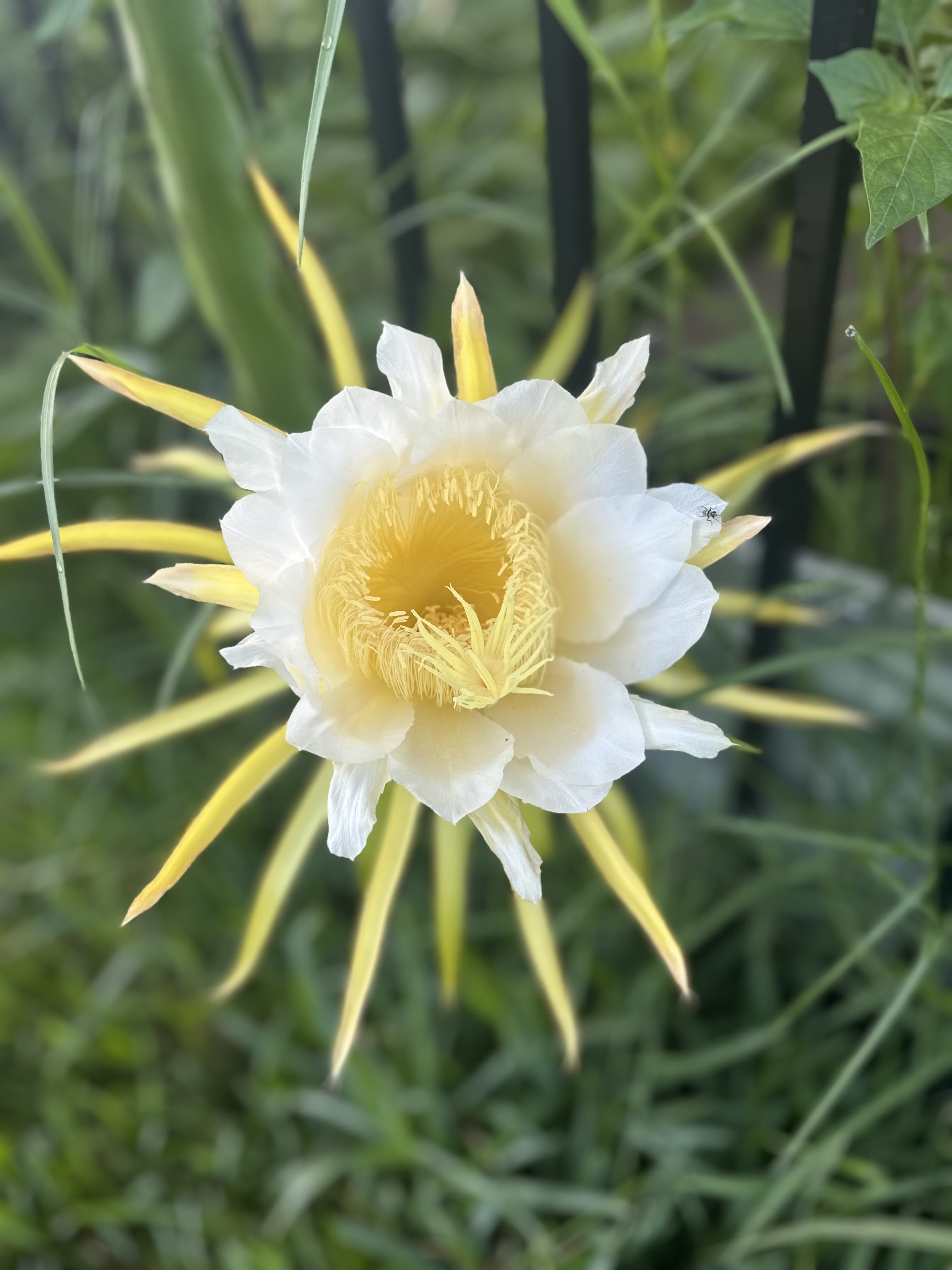
Gardening in Florida: What, When, and How to Plant
I started my gardening journey during COVID with a handful of seeds and plenty of time on my hands. To my surprise, nearly every seed sprouted, and I ended up with more plants than I knew what to do with—so much so that I had to give many away! At the time, I only had one garden bed and little knowledge, but I was eager to learn. One of the most valuable lessons I discovered was that Florida’s subtropical climate allows for planting almost year-round. However, knowing what to plant and when makes all the difference in a successful garden.
• Spring (February-April): Plant tomatoes, peppers, cucumbers, and beans alongside herbs like basil and dill.
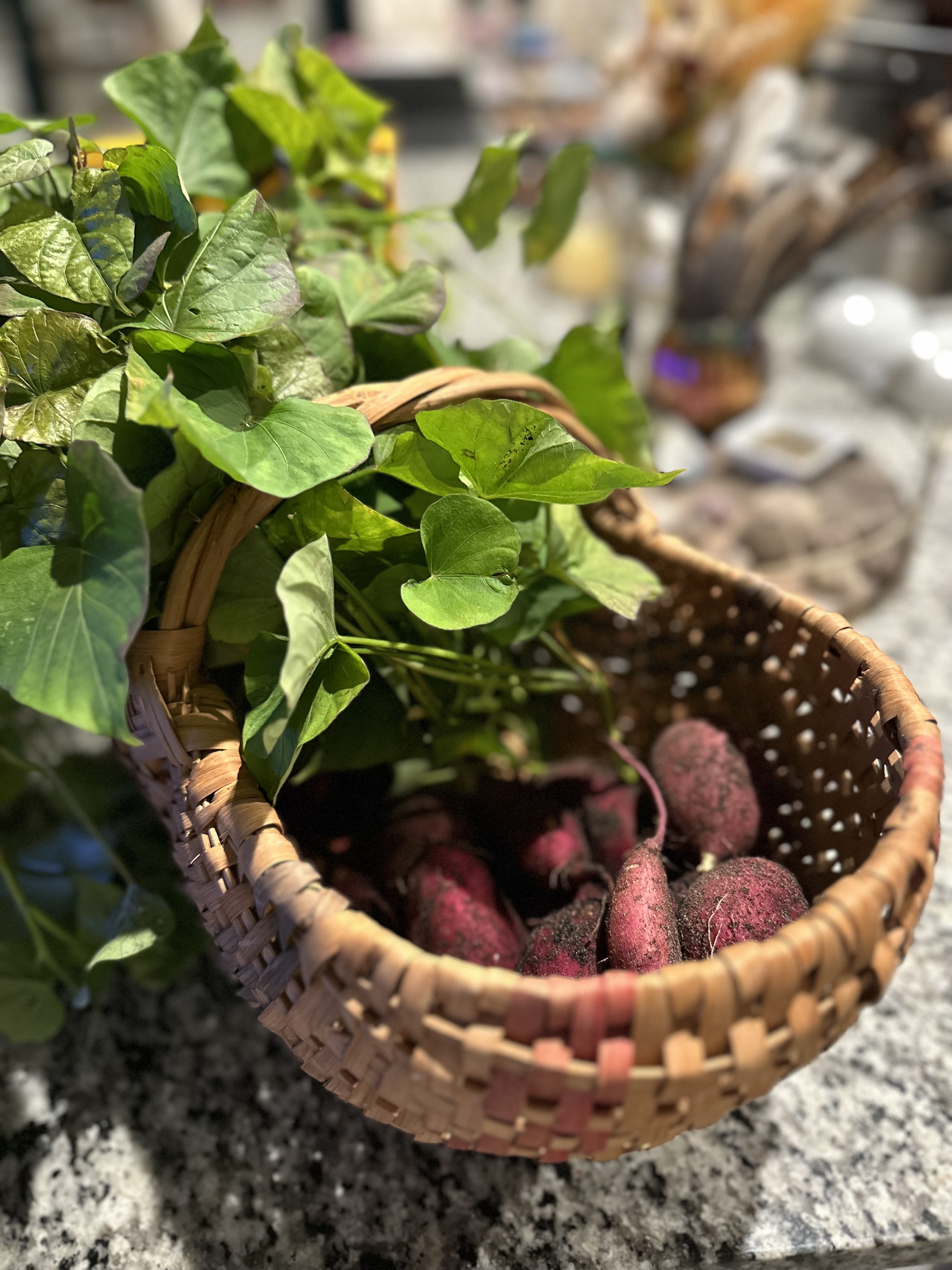
• Summer (May-September): Focus on heat-tolerant crops like okra, sweet potatoes, tomatoes, peppers and tropical fruits.
• Fall (October-November): Cool-season crops such as carrots, beets, kale, and broccoli thrive in the milder weather.
• Winter (December-January): Take advantage of the season to grow leafy greens, brassicas, radishes, and herbs.
Each year, I take a step back and evaluate my garden, looking for ways to improve and areas where I can introduce new plants. My garden is my sanctuary, a sacred space that evolves with every season. It’s a place of constant change and growth, just like life itself. I cherish every moment spent tending to it—whether planting, pruning, or simply enjoying the beauty of what’s thriving. Though my space is small, it’s filled with endless possibilities, and I’m deeply grateful for every inch of it. Gardening is more than a hobby; it’s a source of peace, purpose, and joy. Welcome to my sacred space…
Our Small-Space Homestead Garden
In our HOA-regulated yard, we’ve designed a compact yet productive garden, utilizing innovative systems to maximize our space. Here are some things I have incorporated into our small space to grow as much as possible.
GreenStalk Gardening Towers
My GreenStalk was the first thing I purchased for my garden, and now I have two! These vertical garden towers are a game-changer, offering ample growing space while taking up minimal room. I have two different types of GreenStalks, and each serves a unique purpose.
My first tower, dedicated to herbs, is the original 5-tier vertical planter. It features 30 pockets, each with a 10-inch depth, perfect for accommodating a variety of herbs. For my second tower, I opted for the Inventor’s Bundle, which includes 6 tiers—3 original tiers and 3 leaf tiers. The leaf tiers have 7-inch-deep pockets, bringing the total planting capacity of this tower to 36 pockets. It also came with a spinner base and plant supports, which are ideal for growing tomatoes and peppers.
Altogether, I have 66 planting pockets between the two towers, allowing us to cultivate a wide variety of vegetables, herbs, and flowers. Here’s why we love them:
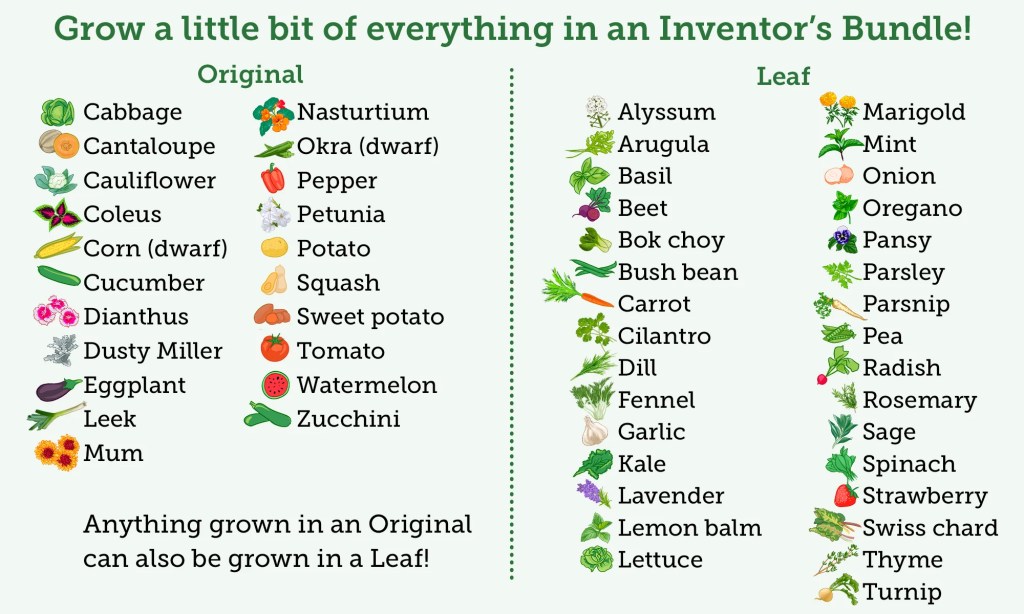
What We Grow: Coniferous veggies, brassicas, tomatoes, peppers, lettuces, spinach, strawberries, and herbs.
Innovative Accessories:
• Spinner Wheel Kit: Makes rotating the tower easy for even sunlight exposure.
• Seed House: Retains warmth and moisture during germination to protect young plants.
• Plant Supports: Trellis larger plants like tomatoes and peppers for optimal growth.
• Spring Watering System: We’re excited to try this new accessory, which promises to simplify watering during Florida’s hot summers.
GreenStalk is always introducing new, user-friendly products that enhance gardening. This system has been a game-changer for us, transforming our small space into a productive vertical farm. Not only are the products great but they are based out of Knoxville, Tennessee. We love to support American made companies and this is a great one.
Subpod Mini Grow Bed Bundle: The Heart of Our Garden

One of the best additions to our garden is our Subpod Mini Grow Bed Bundle. This innovative system combines a garden bed with an in-ground worm composter, creating an ecosystem that supports healthy, nutrient-dense soil. Here’s why we love it:
• Efficient Composting: The worm composter allows us to recycle food scraps, including vegetable peels, coffee grounds, and even eggshells, into rich compost.
• Healthiest Plants: The plants grown in this bed are by far the largest and healthiest in our garden, thanks to the nutrient-rich soil produced by the worms.
• Compact Design: The Subpod Mini fits perfectly into our small garden while providing significant benefits.
Since switching to a whole-food diet and making everything from scratch, we produce a lot of kitchen scraps. The Subpod has been invaluable for managing waste sustainably, but we’d love to add another unit to keep up with our composting needs.
If you’re looking to start a garden, the Subpod Mini is an excellent investment. It not only improves soil health but also reduces food waste—making it a win-win for any homestead.
Quail Coop
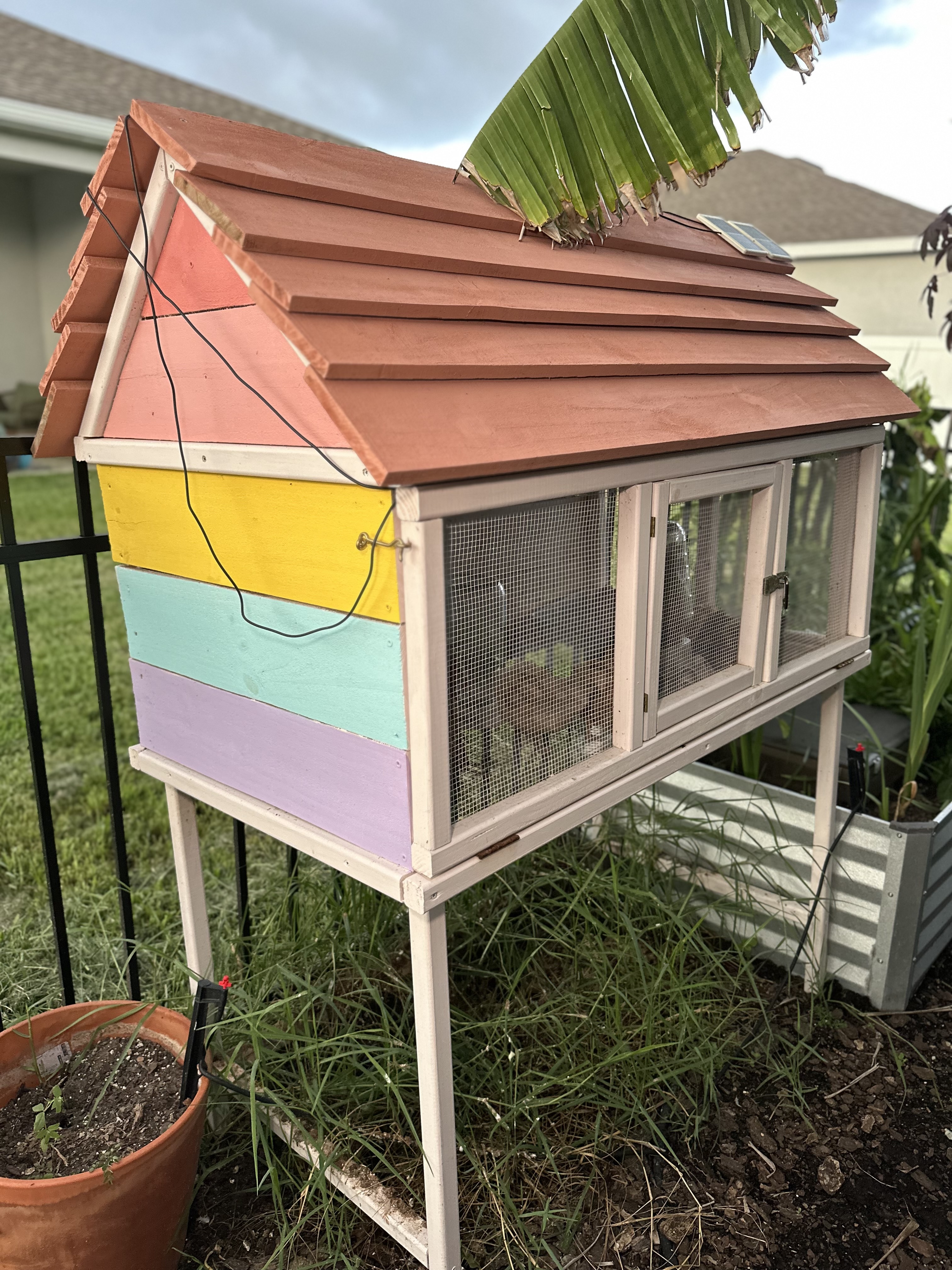
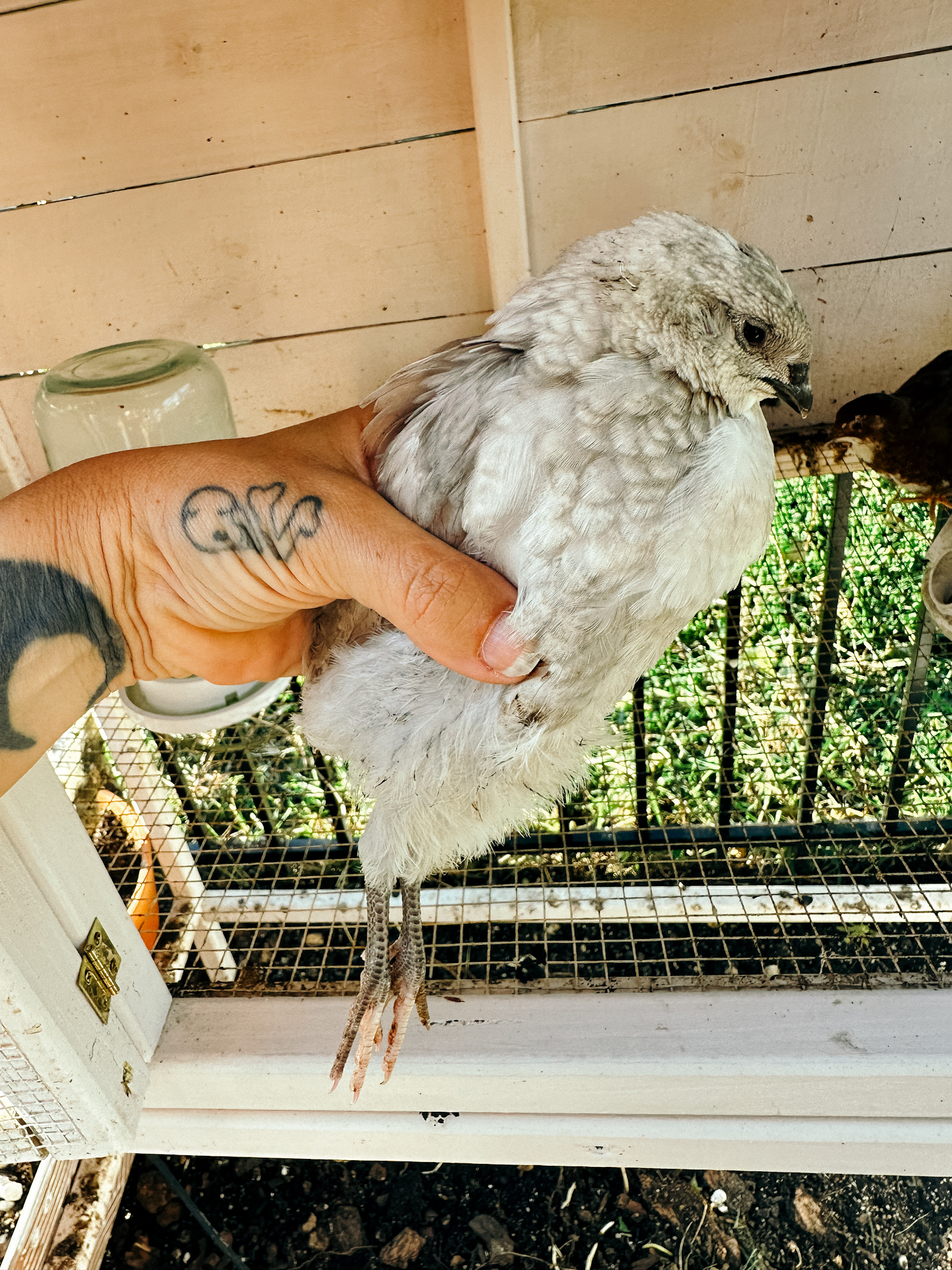
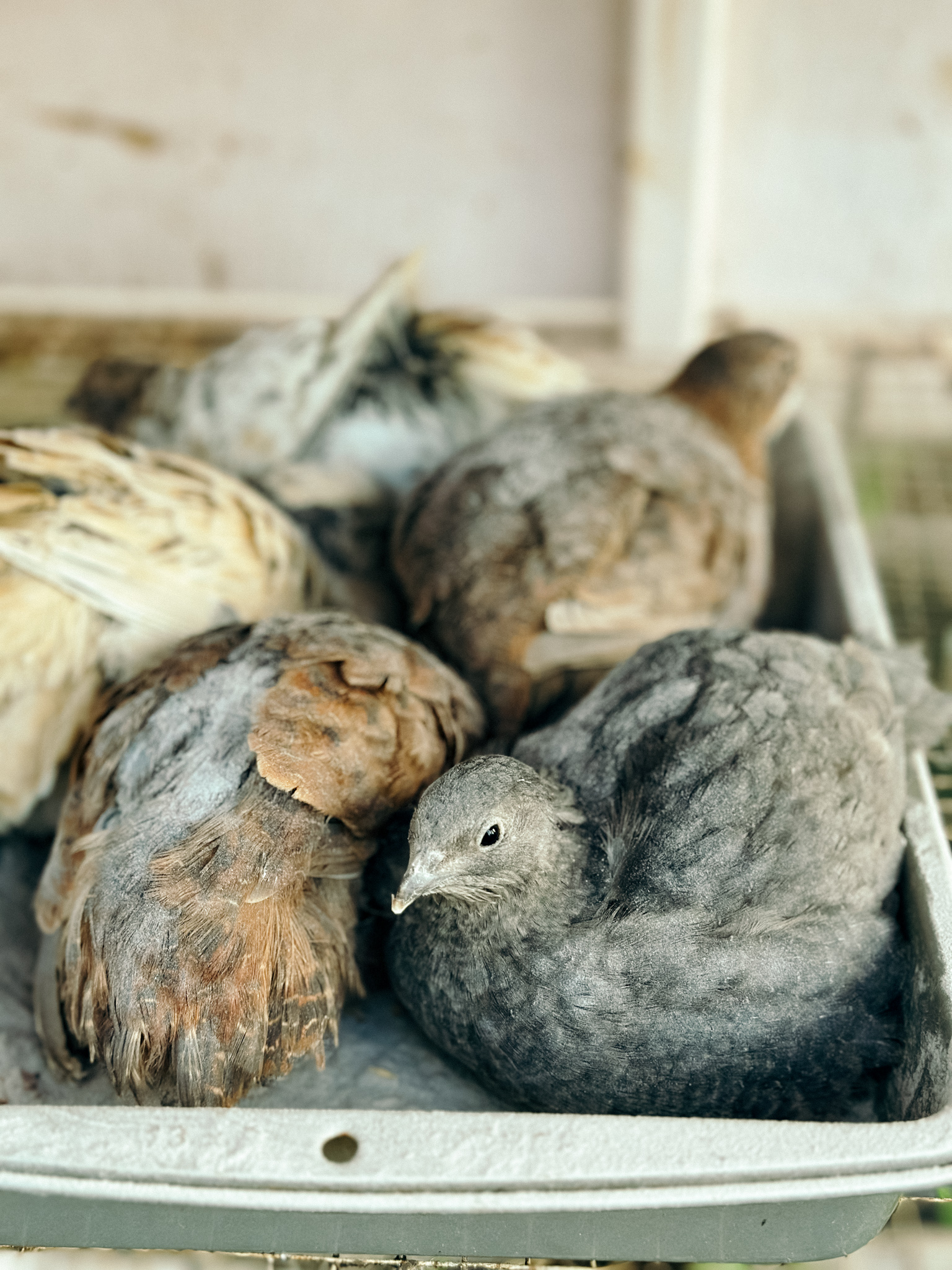
Sharing space in our garden is our quail coop, home to nine quail, seven of which are female. These tiny birds provide us with fresh eggs daily and will also support our homesteading journey in other ways:
• Eggs and Meat: We’ll raise new chicks this year and transition this batch of quail for meat once the new ones start laying.
Quail are a great option for backyard homesteads—they’re quiet, compact, and incredibly productive.
Hydroponic Tower
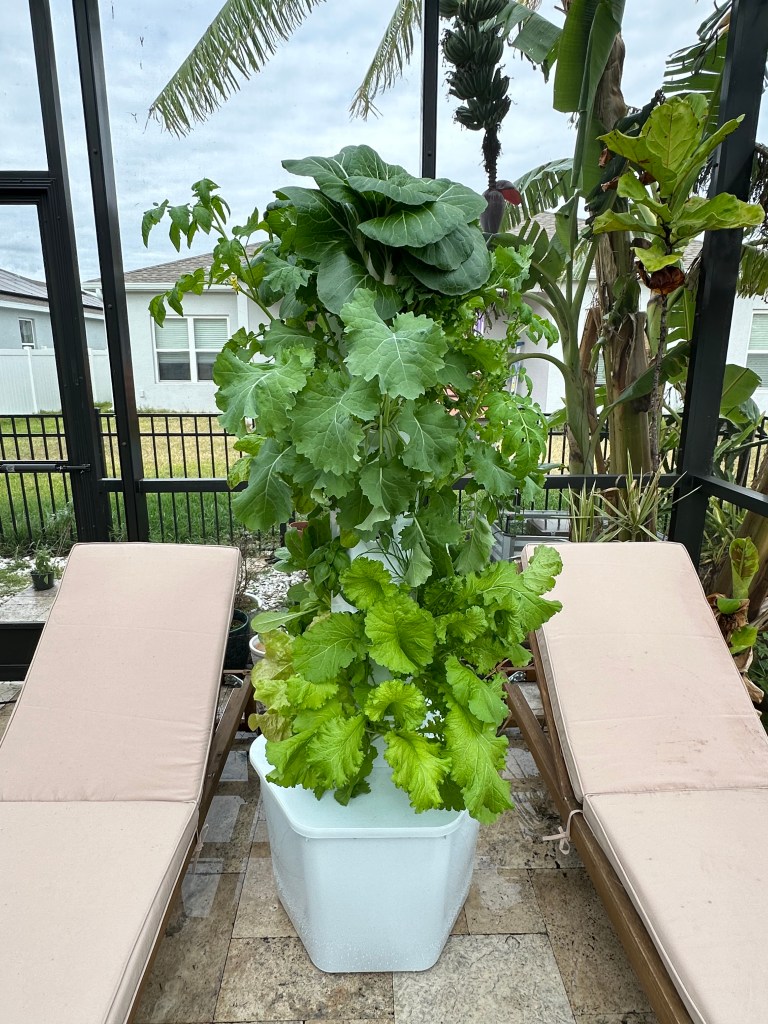
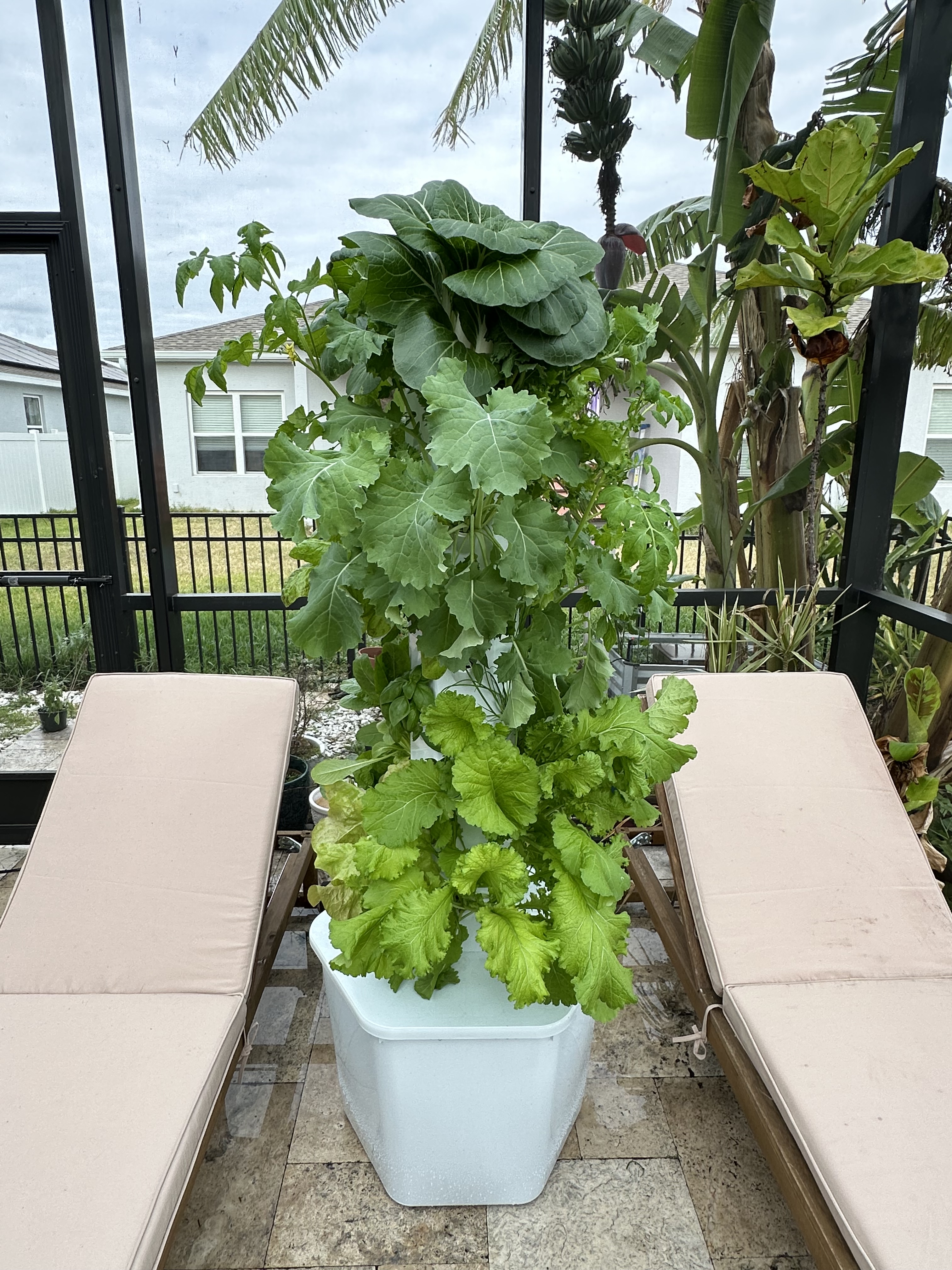
Inside our screened pool enclosure, we’ve set up a hydroponic tower system provided through the Step Up Scholarship Fund. This system has been a standout addition to our garden:
• Benefits: Easy to set up, low-maintenance, and incredibly productive.
• Educational Tool: The accompanying curriculum is engaging and informative for our homeschool schedule.
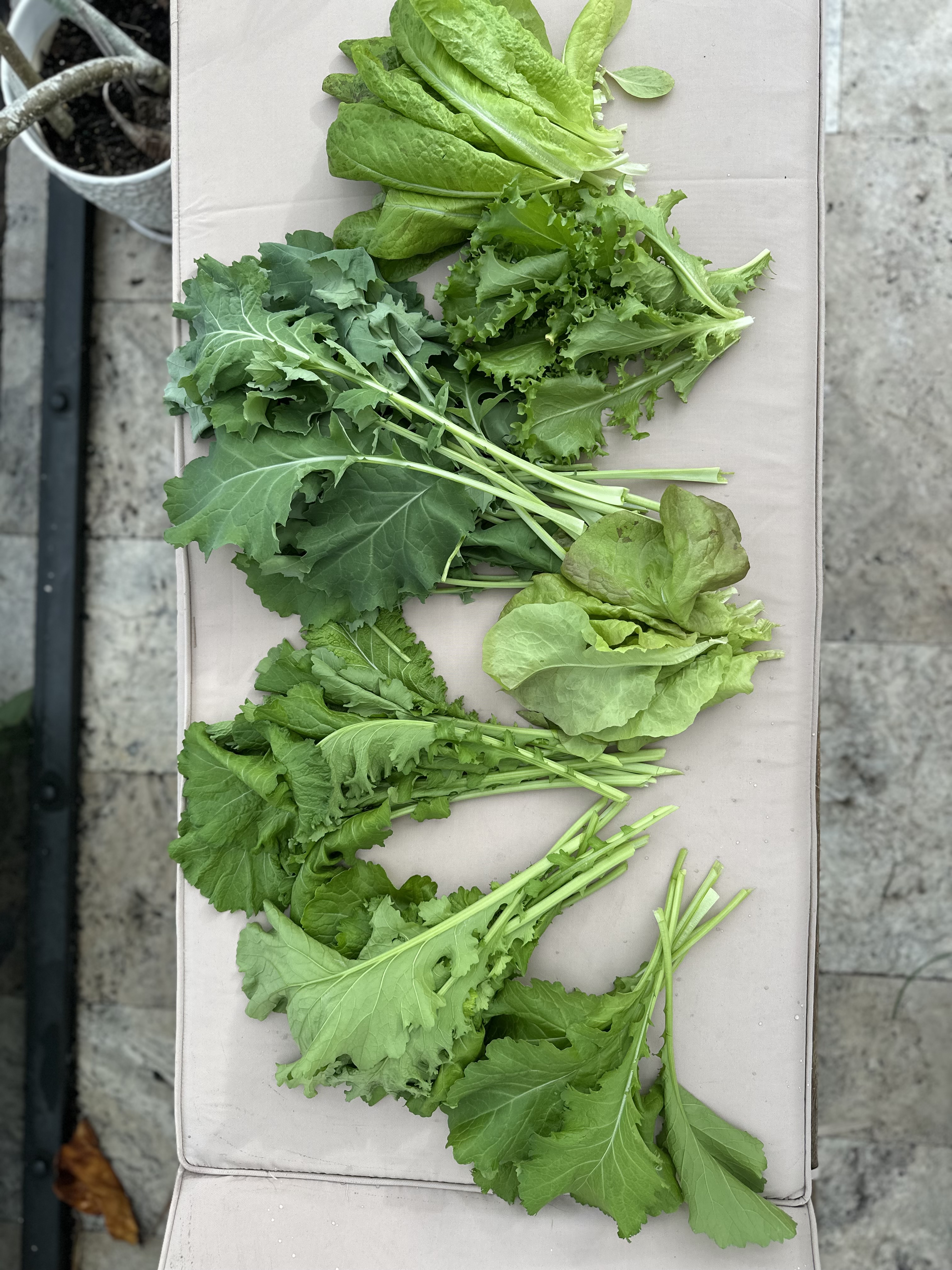
• Fresh Harvests: We’ve enjoyed fresh salads and veggies throughout the winter.
Raised Garden Beds
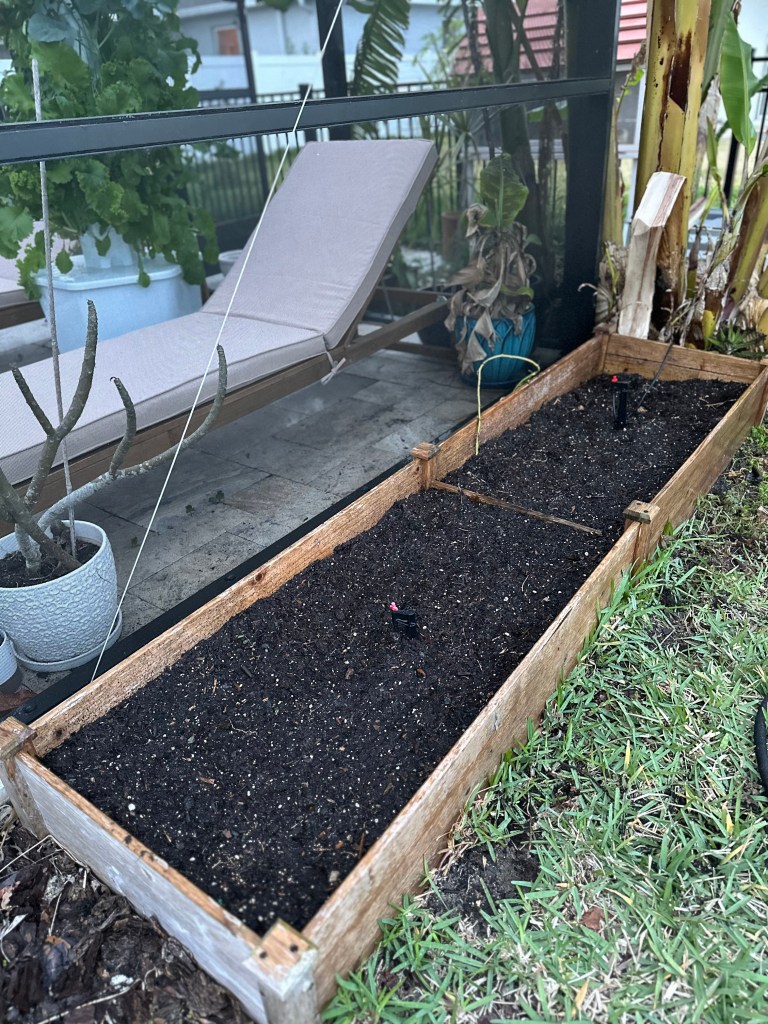
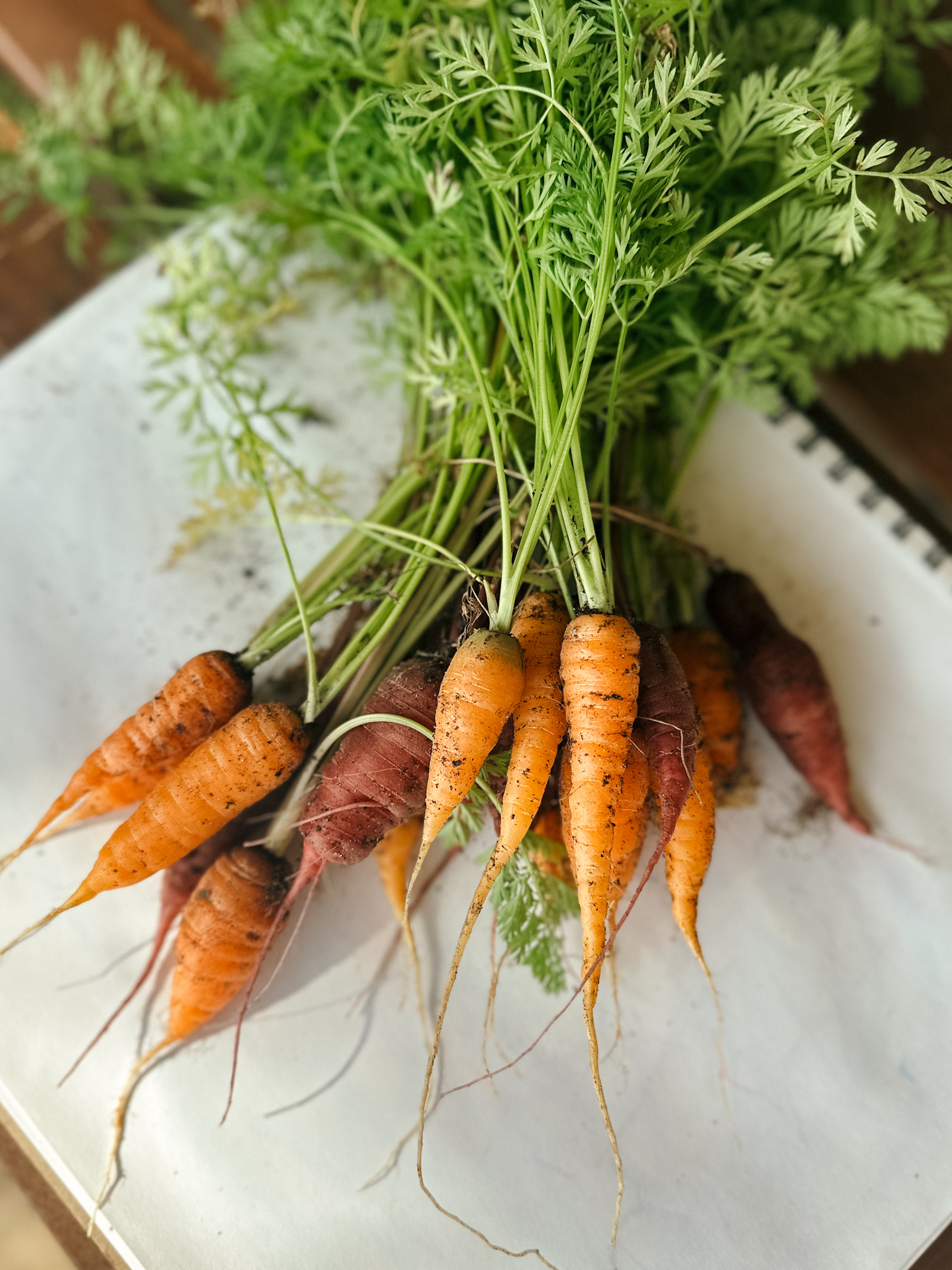
8 ft bed along backside of pool. Great for all my roots crops! Just picked sweet potatoes and planted carrots.
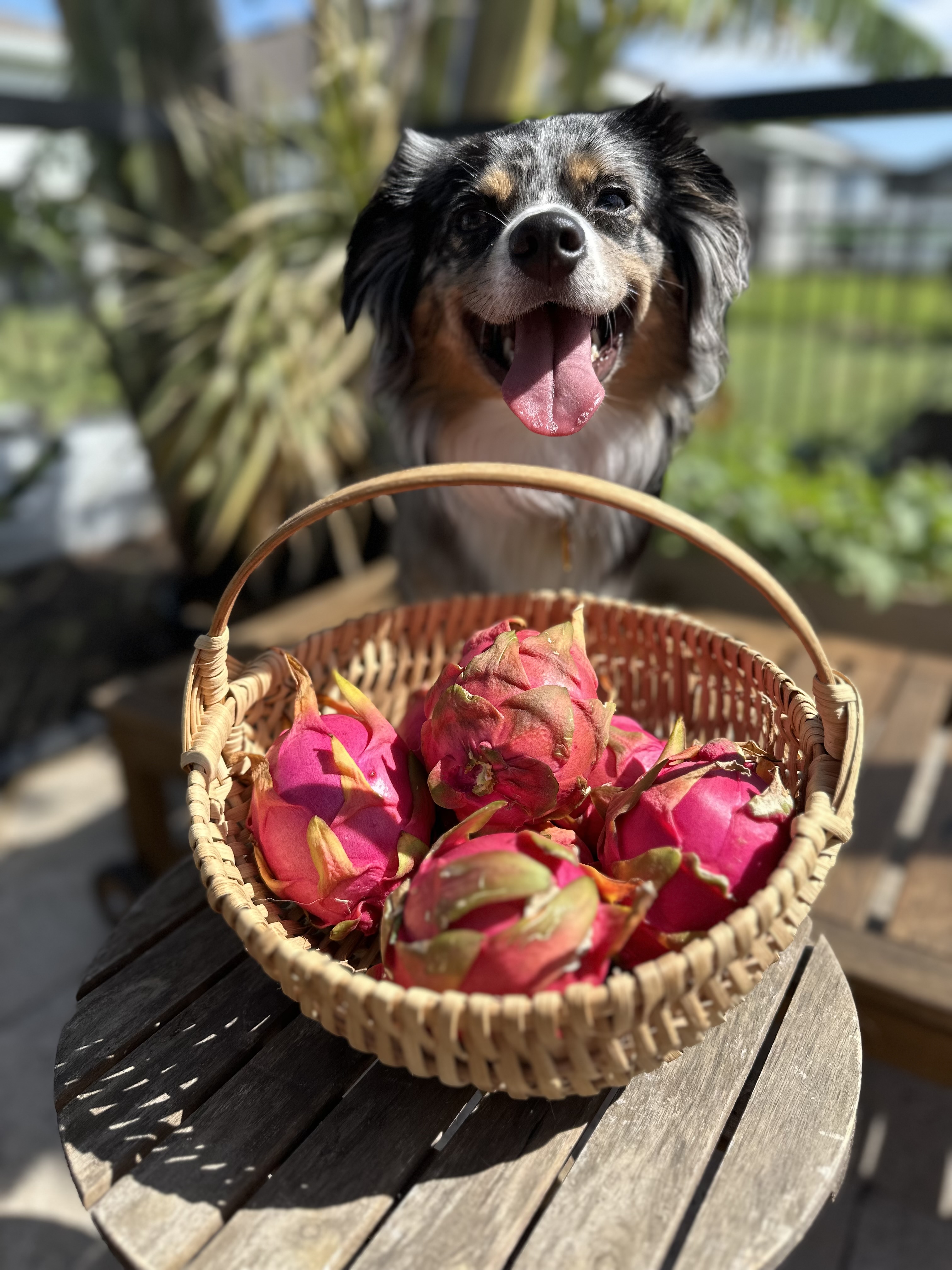
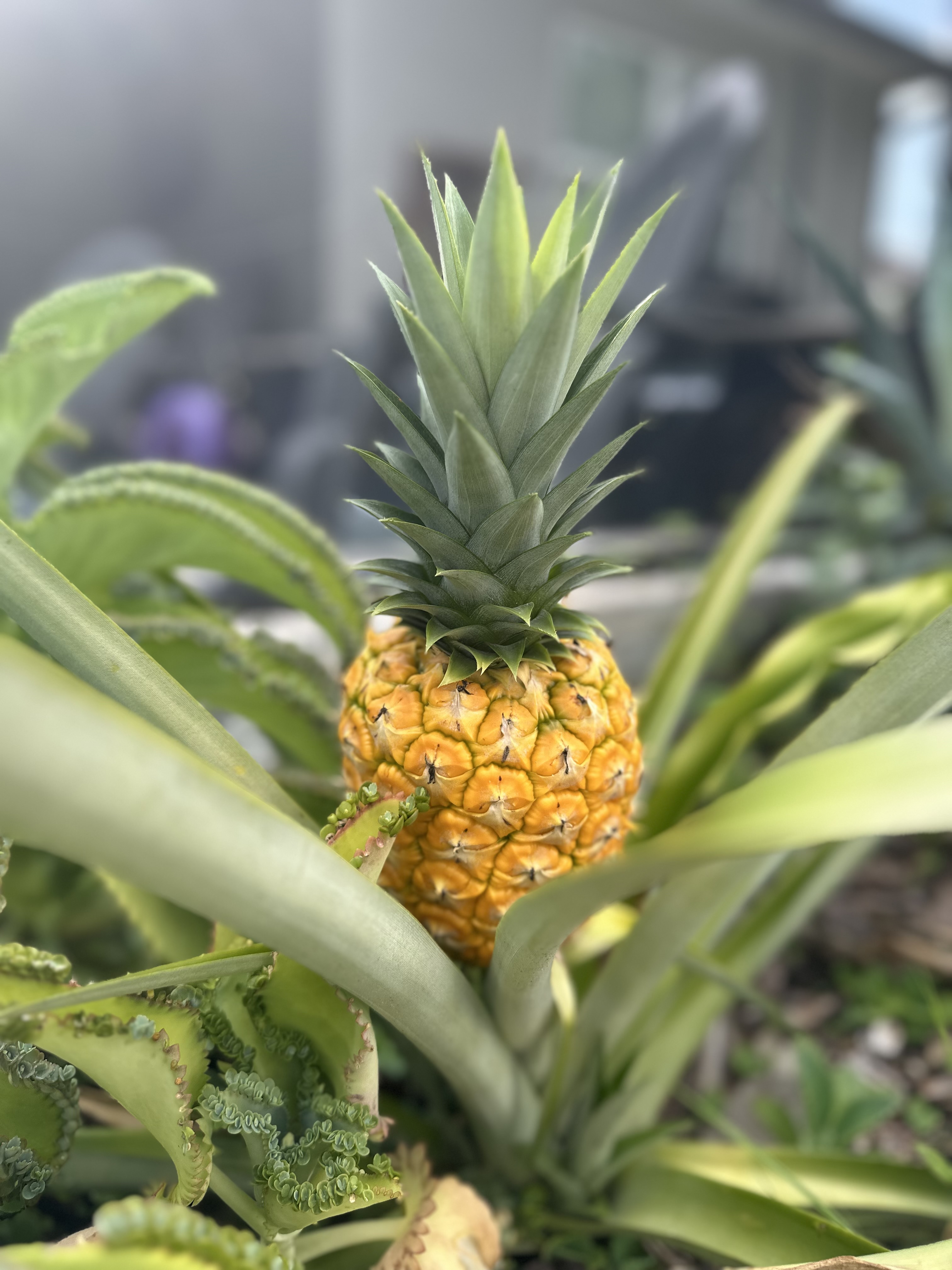
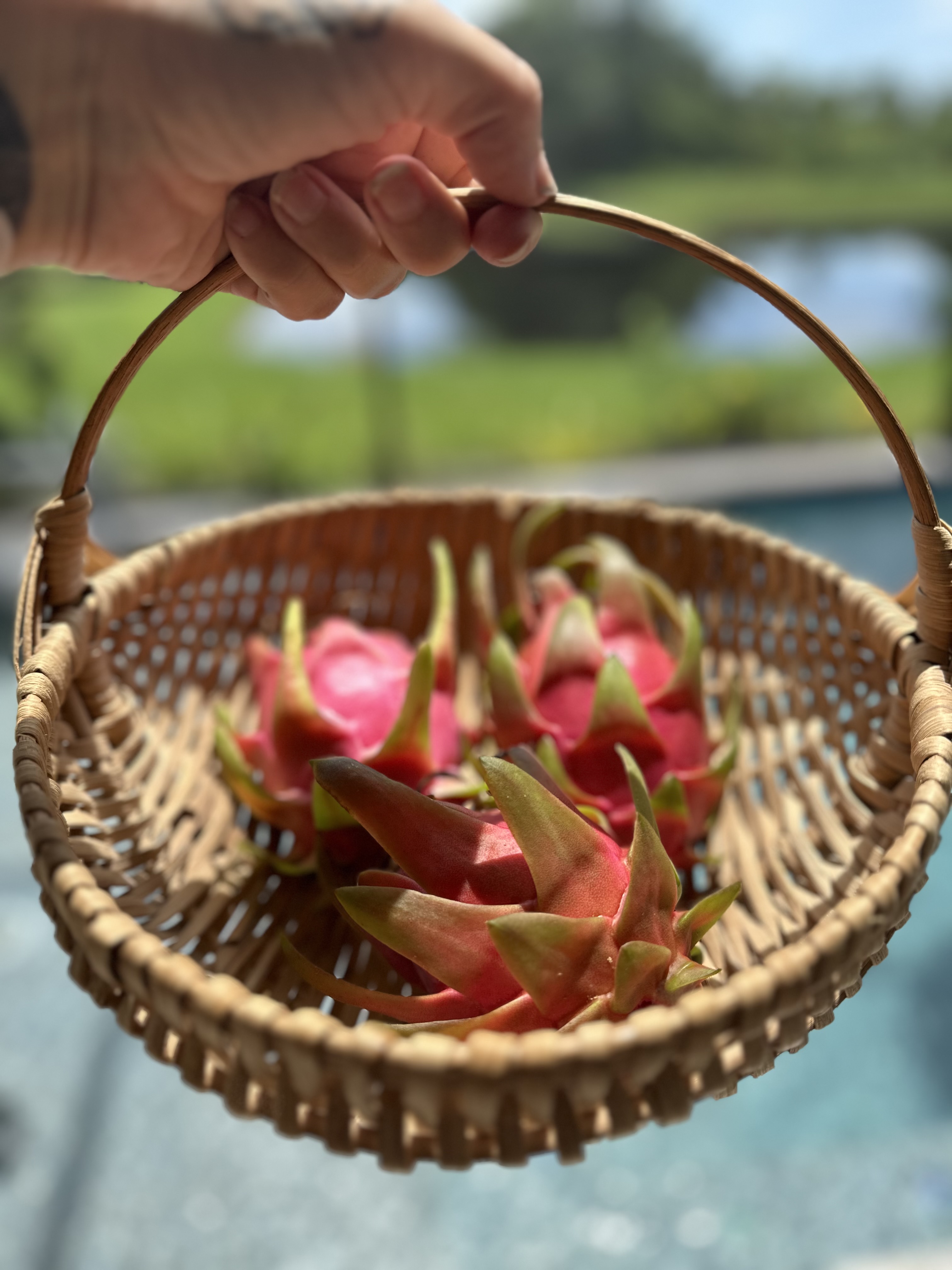
• Dragon Fruit, Passionfruit and Pineapple Plants: Tropical delights that flourish in Florida.
• Turmeric: A versatile culinary and medicinal root.
• Raspberries: While not yet productive, they’re a hopeful addition!
- Blueberries! New to the garden and looking forward to picking some once its season.
Poolside Gardening
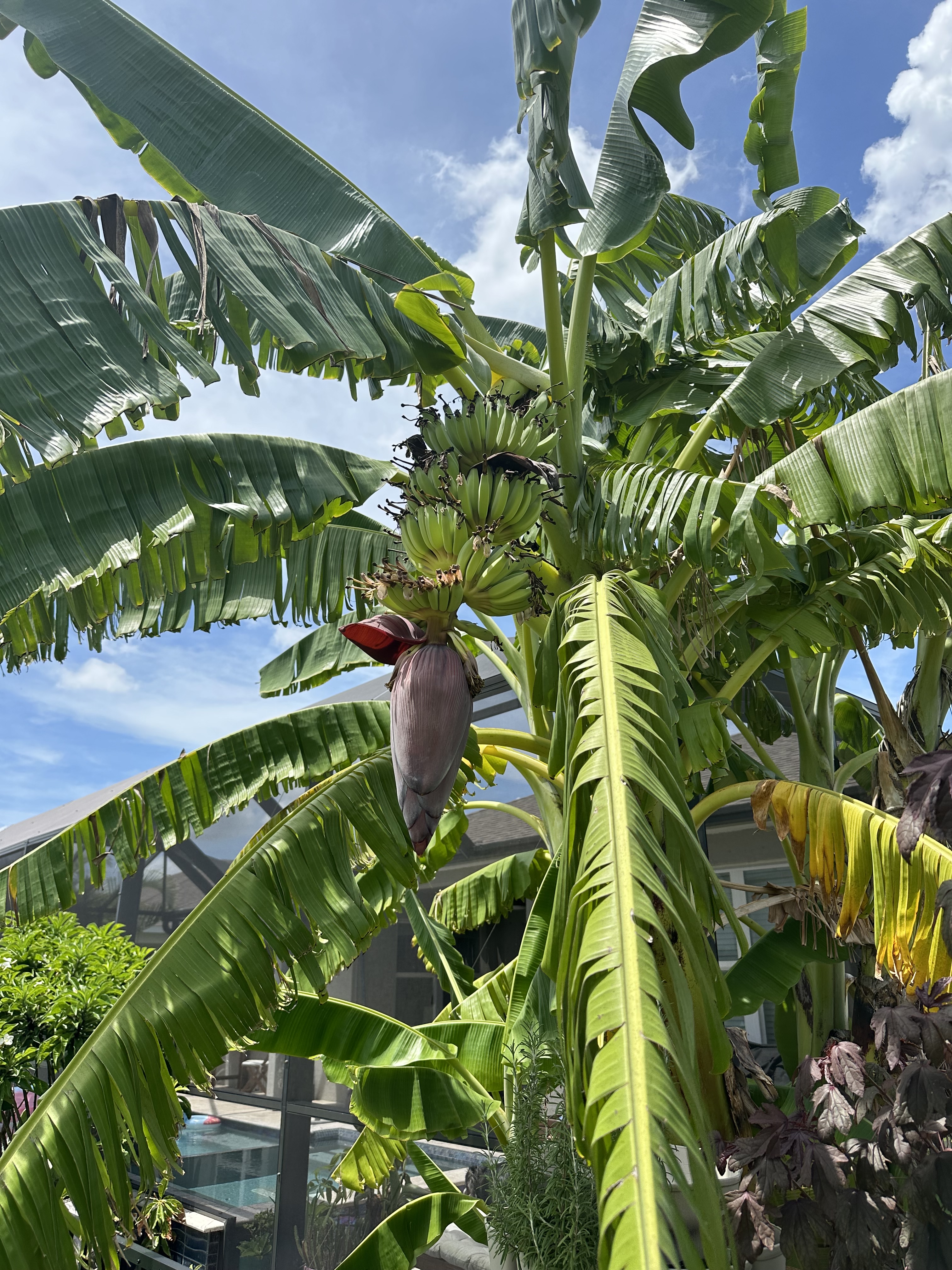
• Banana Tree: We get bananas every year!
• 8-Foot Bed: Currently home to sweet potatoes, carrots, and beets.
• Edible and Cutting Flowers: Nasturtiums, calendula, cosmos, zinnias, and more add beauty and function.
• Elderberry and Lime Trees: Thriving near our pool equipment.
• Avocado Tree: A baby now, but a promising addition to our edible landscape.
- Moringa Tree: Planted near our quail coop, this “tree of life” provides nutrient-packed leaves.
Creating a Home Apothecary: Growing Herbs for Health and Healing
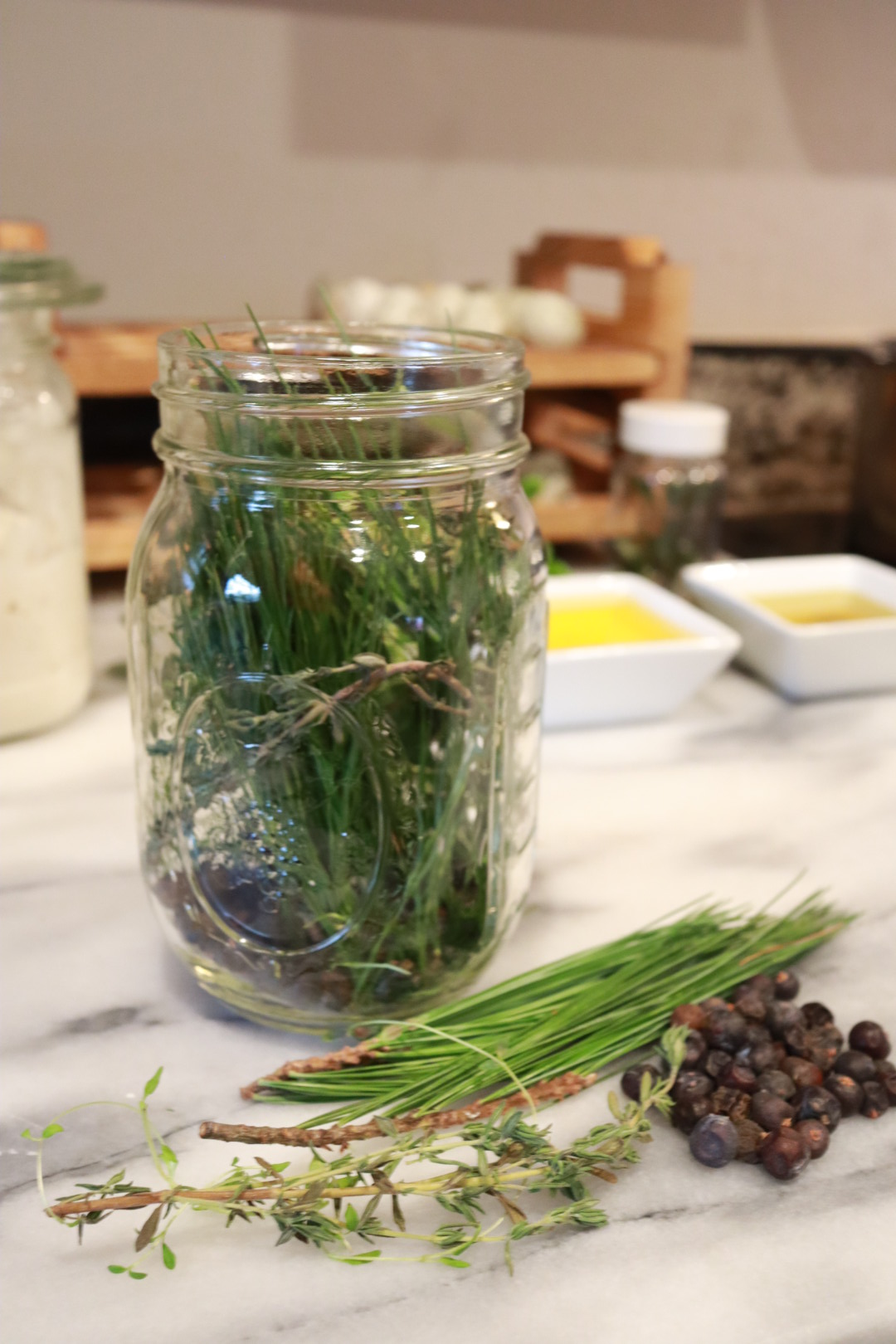
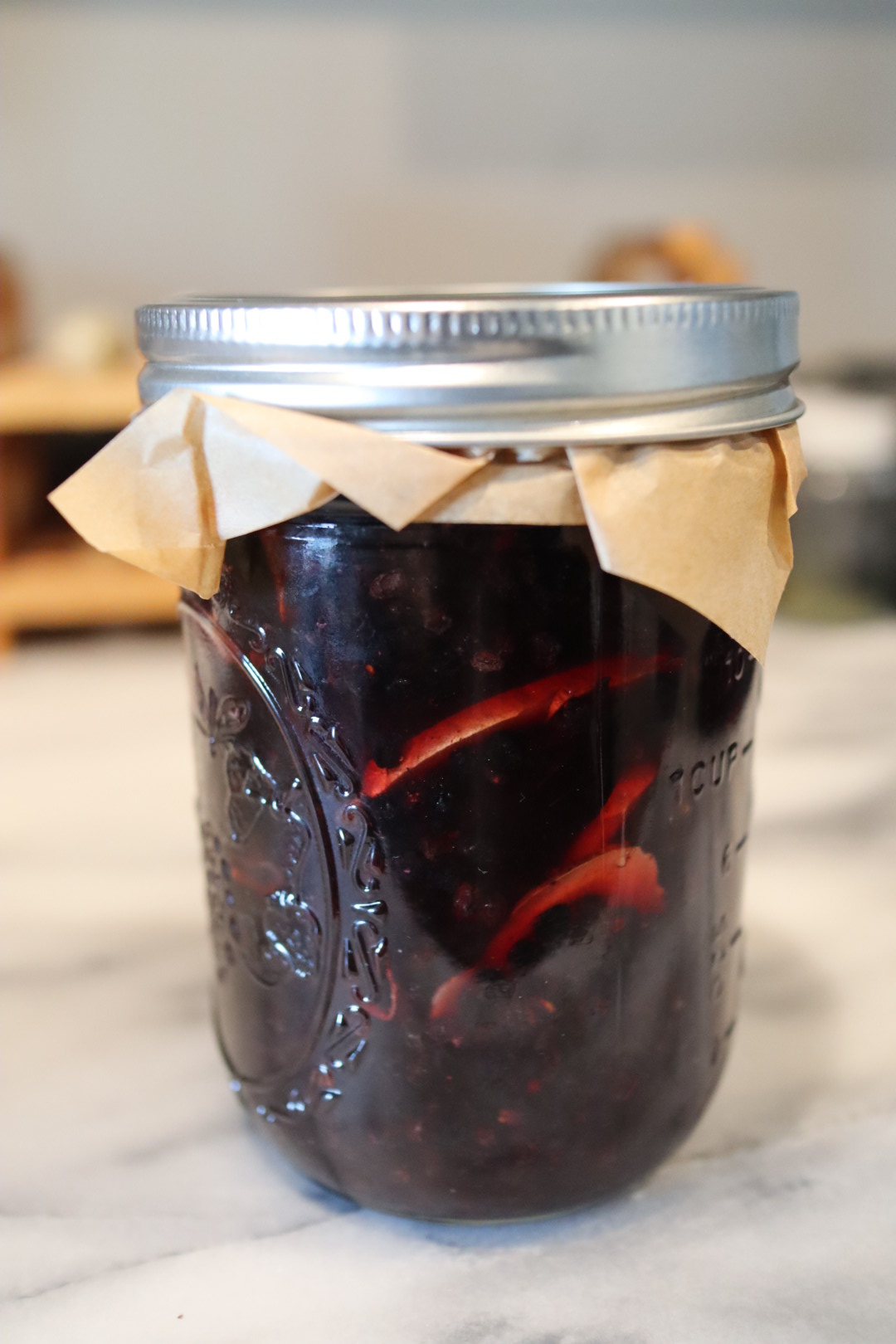
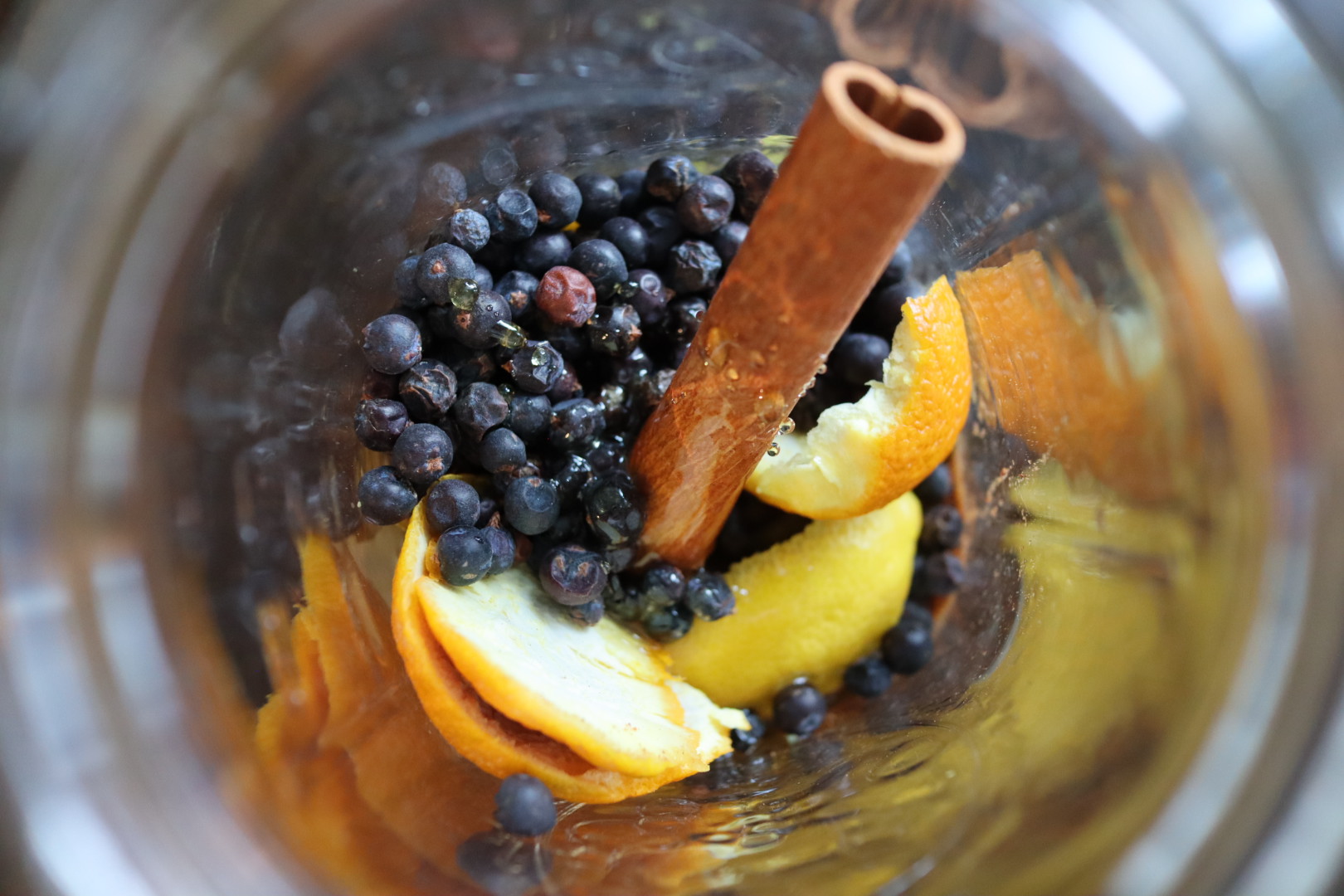
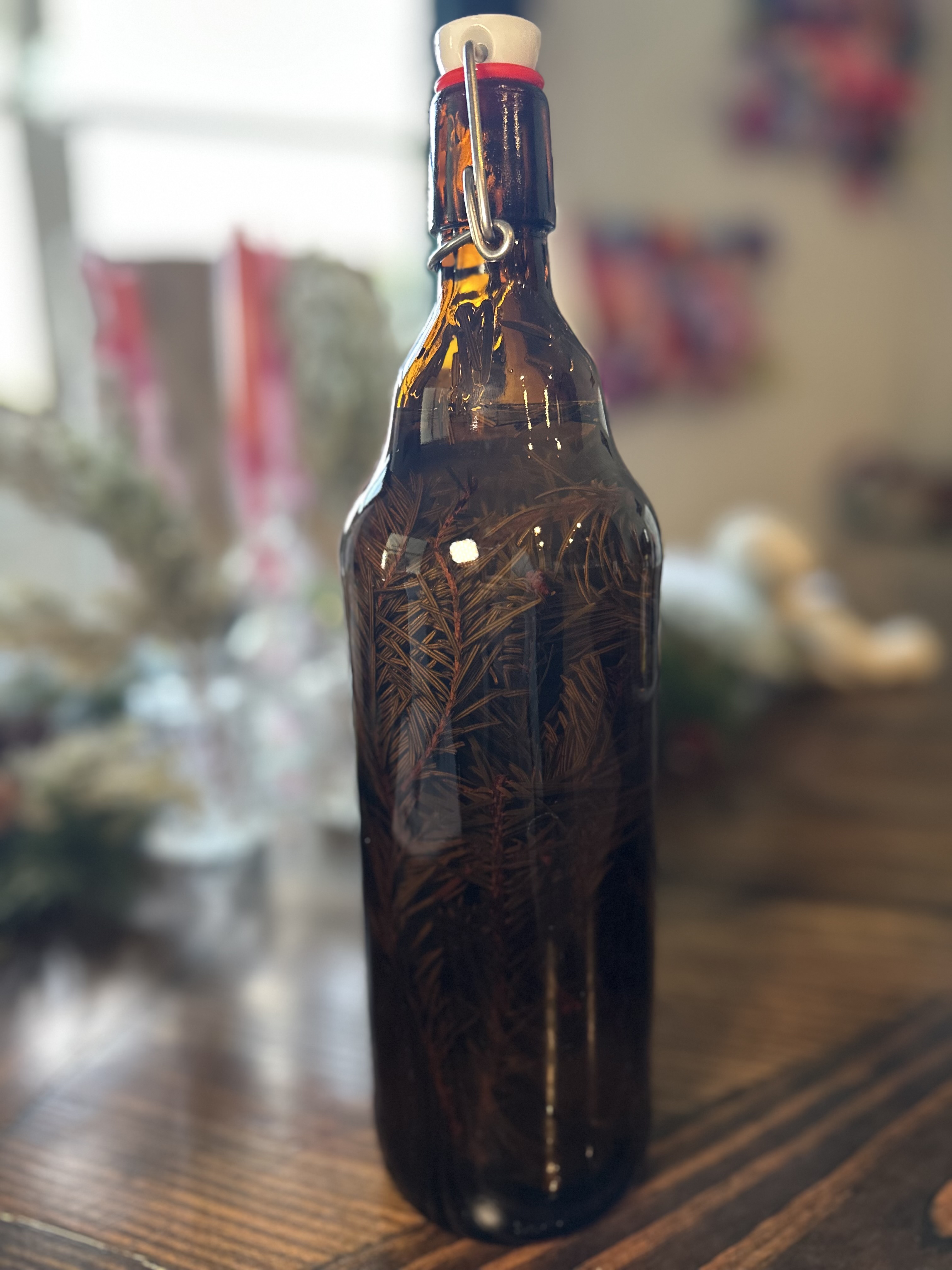
I wanted to touch on this subject as I grow a lot of herbs in my garden space now. I have dedicated one of the Greenstalks to cultivating herbs for a home apothecary. The growing concern about the quality of products available today has inspired us to take control of what we put in and on our bodies. By growing and preparing our own herbal remedies, we can ensure they’re safe, effective, and free from harmful additives.
The healing properties of herbs have been cherished for centuries, offering natural remedies for countless ailments, but their widespread use has dwindled with the rise of modern medicine and the convenience of synthetic pharmaceuticals.
Here are a few examples of some amazing plants that we grow and what they can do:
• Mullein: Supports respiratory health, especially during cold and flu season.
• Comfrey: Speeds up the healing of wounds, sprains, and fractures.
• Skullcap: Acts as a natural sedative to calm the nervous system and promote restful sleep.
• Calendula: Reduces inflammation and promotes skin healing.
• Nasturtium: High in vitamin C and excellent for boosting immunity.
• Borage: Beautiful blue flowers that attract pollinators and support adrenal health.
• Chamomile: Perfect for calming teas and gentle skin remedies.
• Holy Basil (Tulsi): A stress-relieving adaptogen with endless medicinal uses.
• Hyssop: Great for respiratory support during allergy season.
• Calendula: A must-have for homemade salves and skin-healing remedies.
• Mint: A refreshing staple for teas, desserts, and digestive health.
• Elderberry: Growing near our pool, elderberry is renowned for its immune-boosting properties and is a popular ingredient in syrups and gummies.
The Importance of Herbal Knowledge
Educating yourself about medicinal plants is a valuable skill that empowers you to care for yourself and your loved ones naturally, without the side effects of synthetic medications.
Many plants we often dismiss as “weeds” are actually incredible medicinal resources. Whenever I spot a new or unfamiliar plant in my garden, I make it a point to photograph it and research its identity and potential uses. Taking the time to learn about these hidden treasures can reveal a wealth of natural remedies. Here are a few common “weeds” you might find in your own backyard:
• Dandelion: A powerful ally for liver health and digestion.
• Plantain: Known for soothing insect bites, rashes, and minor wounds.
• Chickweed: Rich in vitamins and excellent for promoting healthy skin and internal cleansing.
These plants are a reminder that nature often provides exactly what we need if we take the time to understand and appreciate it.
The Joy of Homesteading Gardening
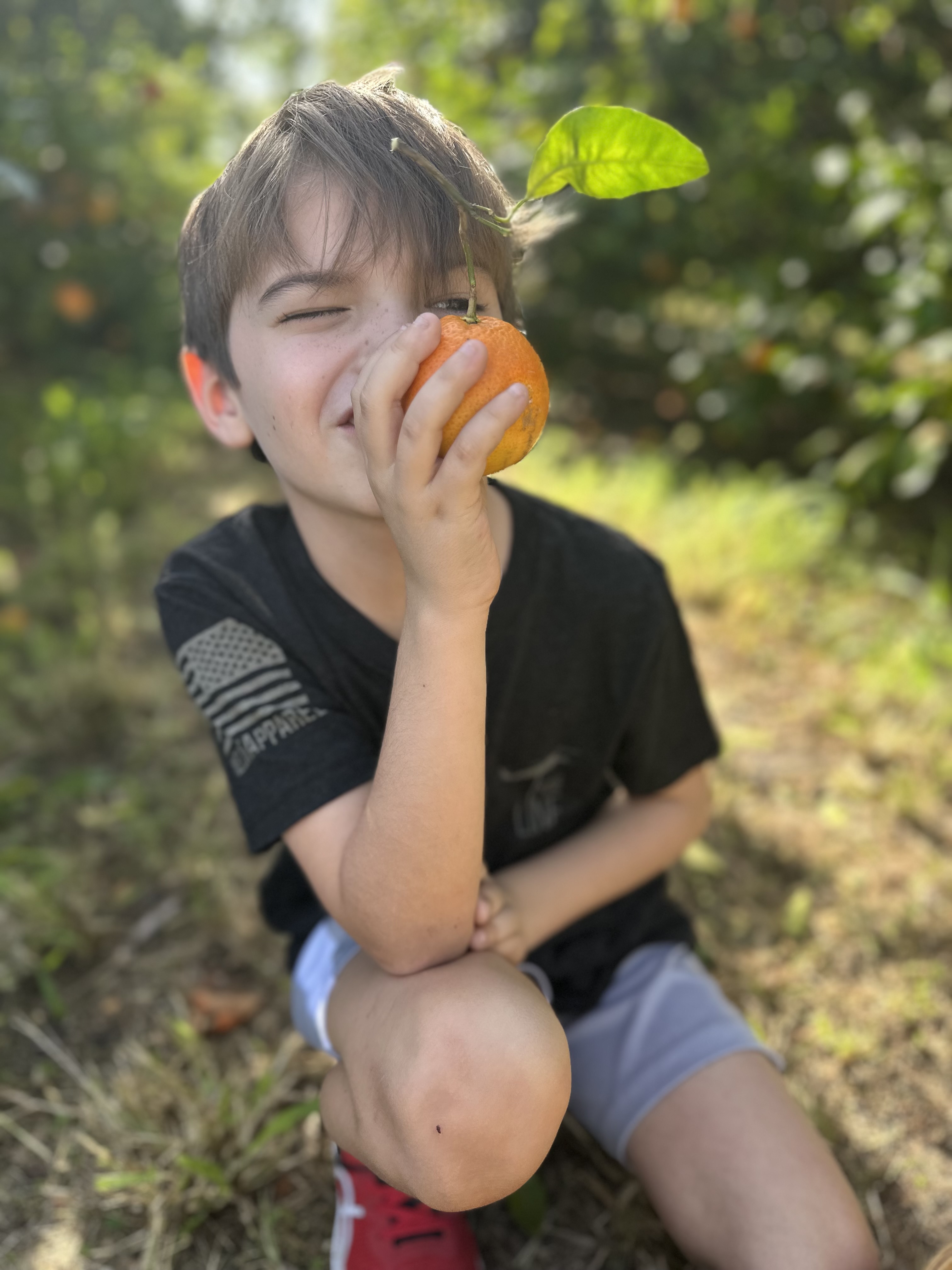
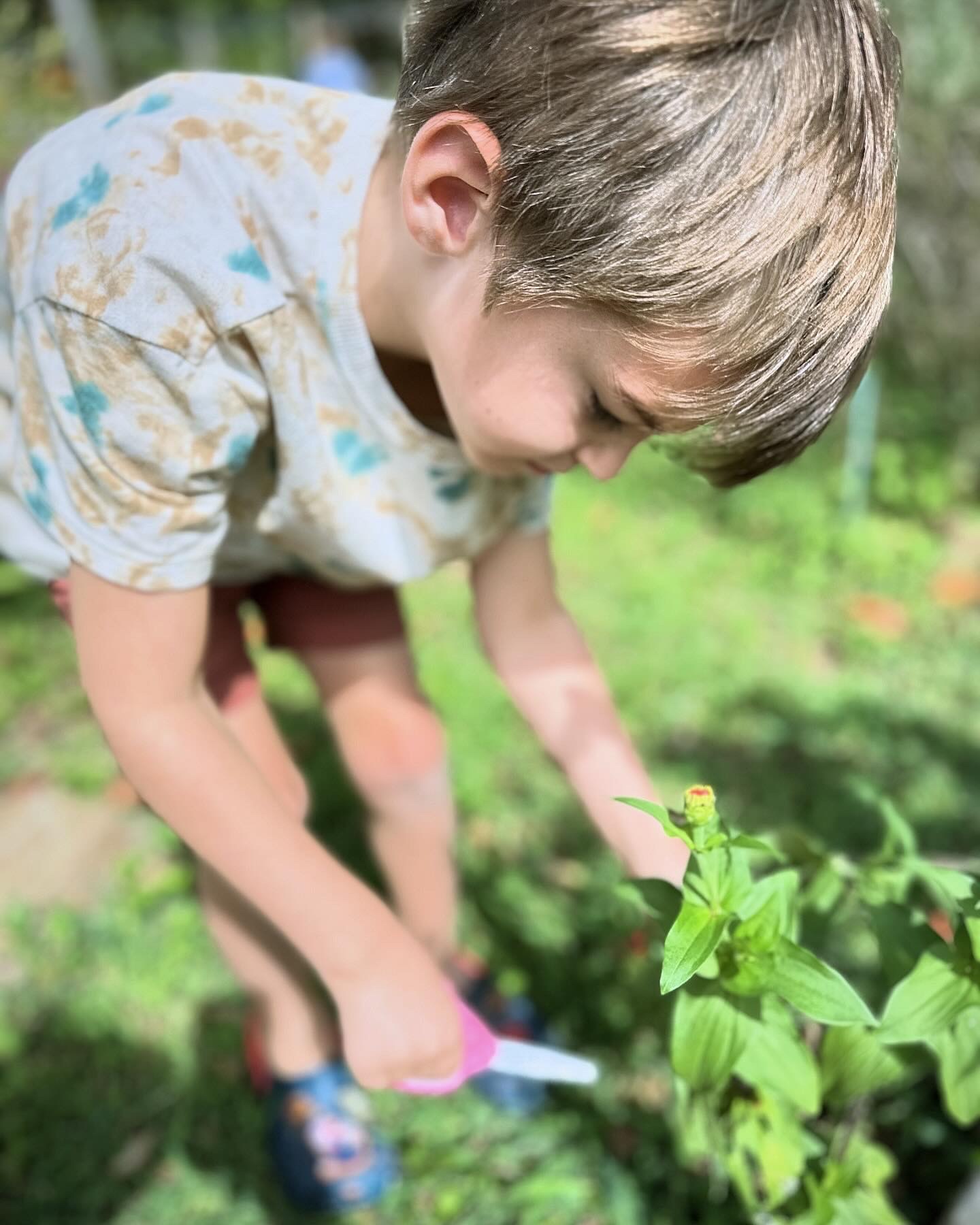
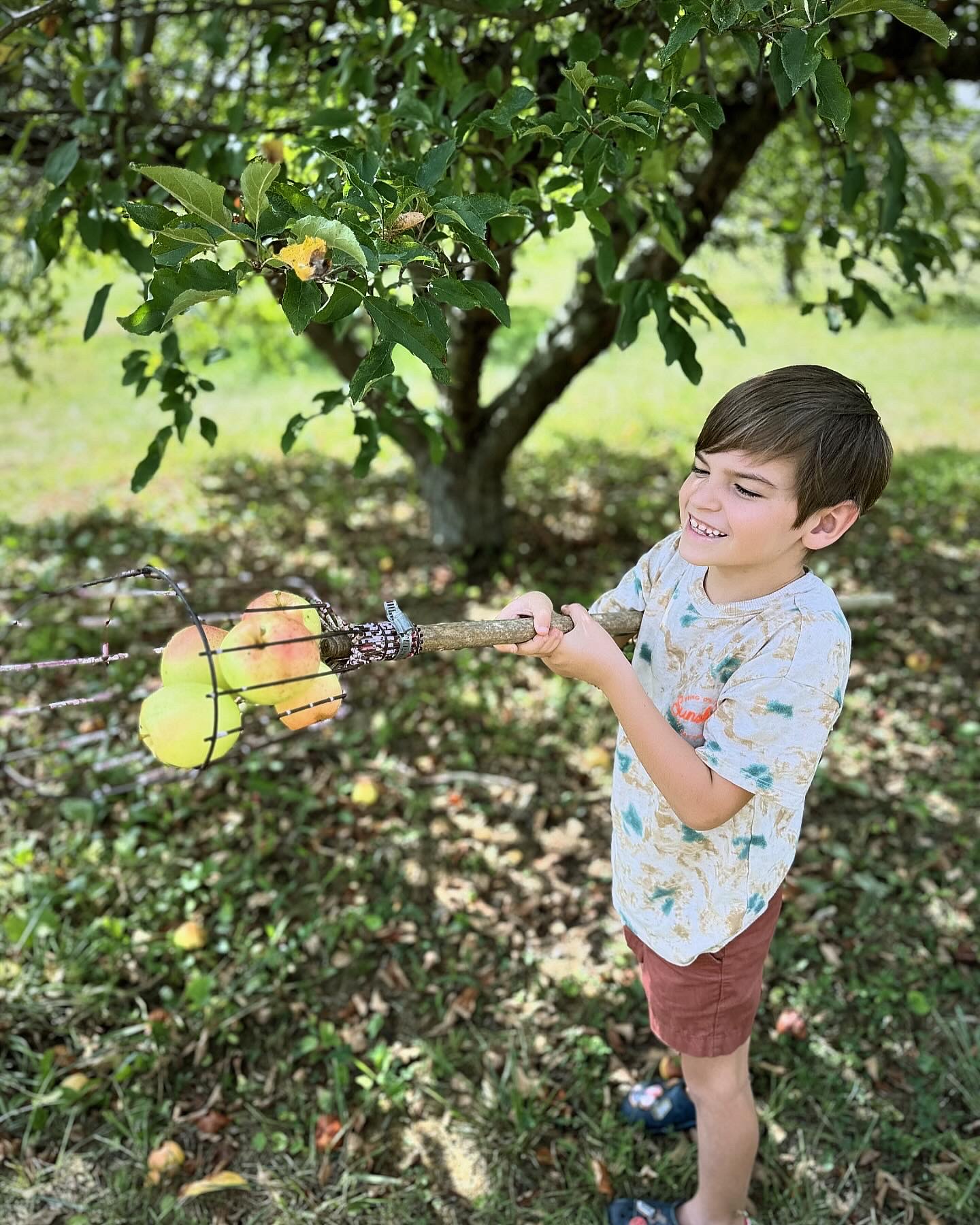
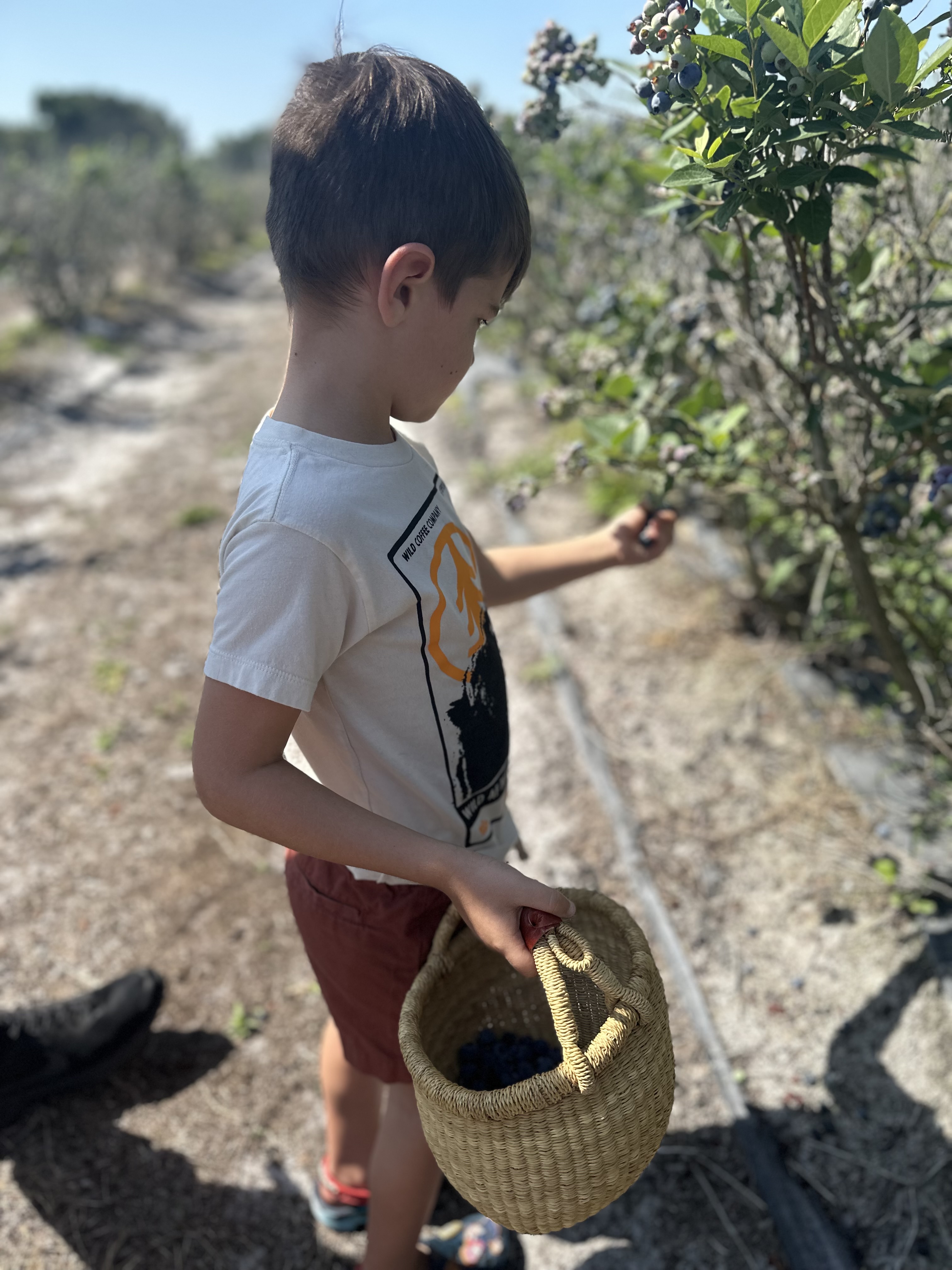
Our garden is more than just a source of food—it’s a way to connect with nature, reduce waste, and take charge of our health. Whether you have a small yard or acres of land, you can create a thriving garden that fits your lifestyle.
By growing your own food and herbs, you’re not only nourishing your body but also building resilience and independence. Start small, learn as you go, and let your garden become a sanctuary for health, healing, and growth.
Gardening has been an incredibly rewarding experience for our family. There’s nothing quite like growing your own food, knowing exactly where it came from, and feeling the pride that comes from creating something beautiful and nourishing with your own hands. It hasn’t been without its challenges, though—Florida’s intense summer heat can be relentless, requiring extra care to keep plants hydrated and shaded. Pests, from hungry bugs to sneaky mice, are a constant battle, testing our patience and creativity. Despite these hurdles, the joy of harvesting fresh produce and watching our garden flourish far outweighs the struggles.
Here are our top tips for turning a small space into a thriving garden:
1. Go Vertical: Use systems like GreenStalk towers to grow more in less space.
2. Incorporate Animals: Small livestock like quail are perfect for eggs, meat, and composting.
3. Compost On-Site: Worm composters like Subpod turn waste into valuable soil amendments.
4. Strategic Planting: Combine perennials, annuals, and tropical plants for variety and yield.
5. Use Every Inch: Incorporate pots, vertical systems, and multifunctional beds.
Even with limited space, you can create a garden that not only provides fresh, nutritious food but also brings immense joy and a sense of accomplishment.
Our small Florida garden has become more than a source of food—it’s a space for learning, experimenting, and connecting with nature. Whether you’re working with acres of land or a small HOA-regulated backyard, there’s always room to grow something amazing.
With innovative tools, thoughtful planning, and a bit of creativity, anyone can create a productive homestead garden. Start small, experiment, and enjoy the rewards of growing your own food, flowers, and more!
Building Your Own Food Forest
If you’re inspired to create your own backyard garden or food forest, there are plenty of resources to help you get started. Begin by exploring the bookshelves at your local library—many have excellent gardening guides tailored to specific climates. Check for local gardening or homesteading classes that might be offered through community centers, botanical gardens, or extension offices. Your local county is also a valuable resource; many offer programs for rainwater barrels, composting, and native plant education. Online forums, gardening groups on social media, and YouTube channels can provide practical advice and inspiration from experienced gardeners. By combining these resources with a little creativity and effort, you’ll be well on your way to transforming your backyard into a thriving oasis.
May your garden thrive, your harvests be plentiful, and your journey toward self-sufficiency bring you joy.
Until next time, happy planting!

 The Wandering Walkers
Leave a comment