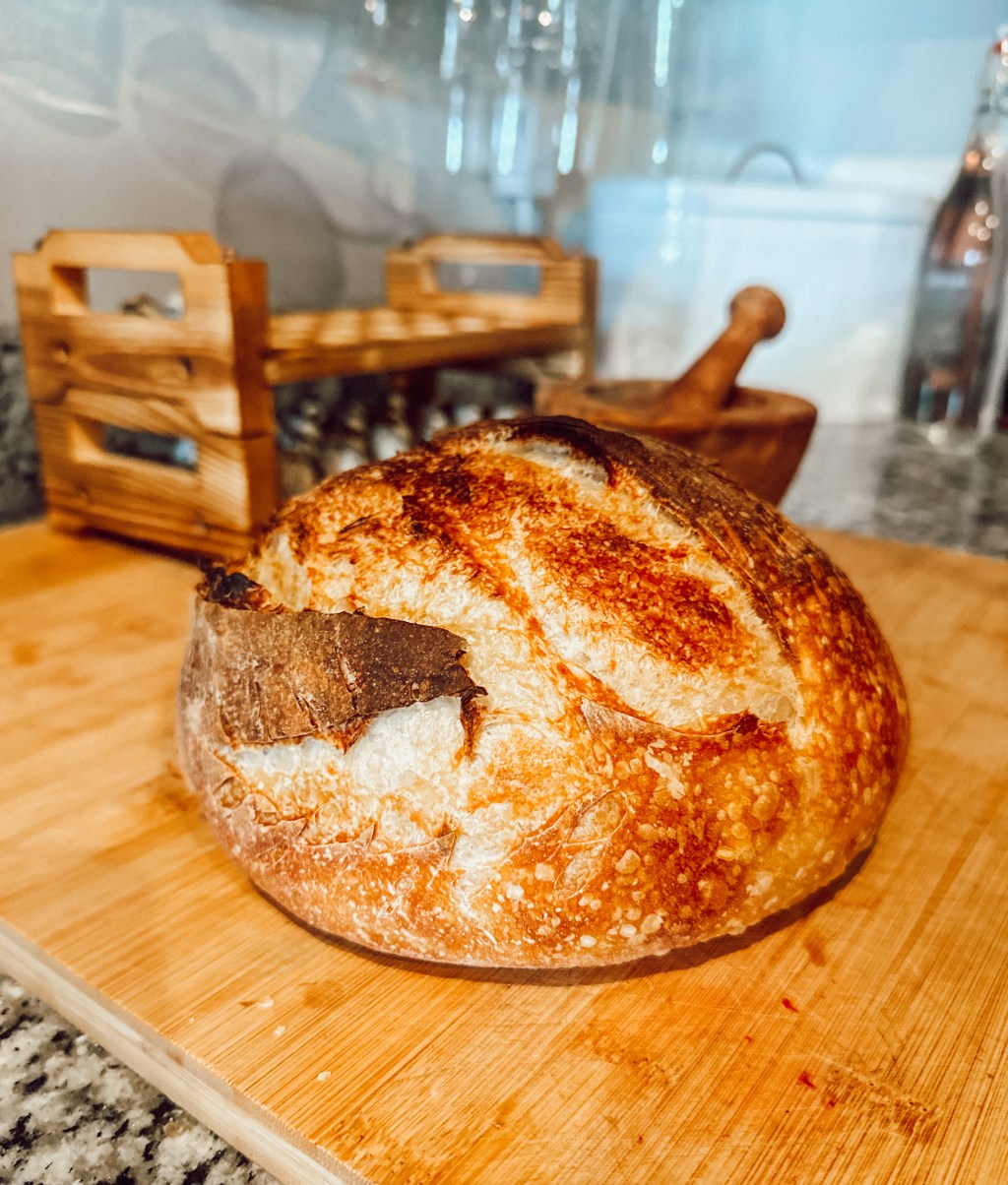
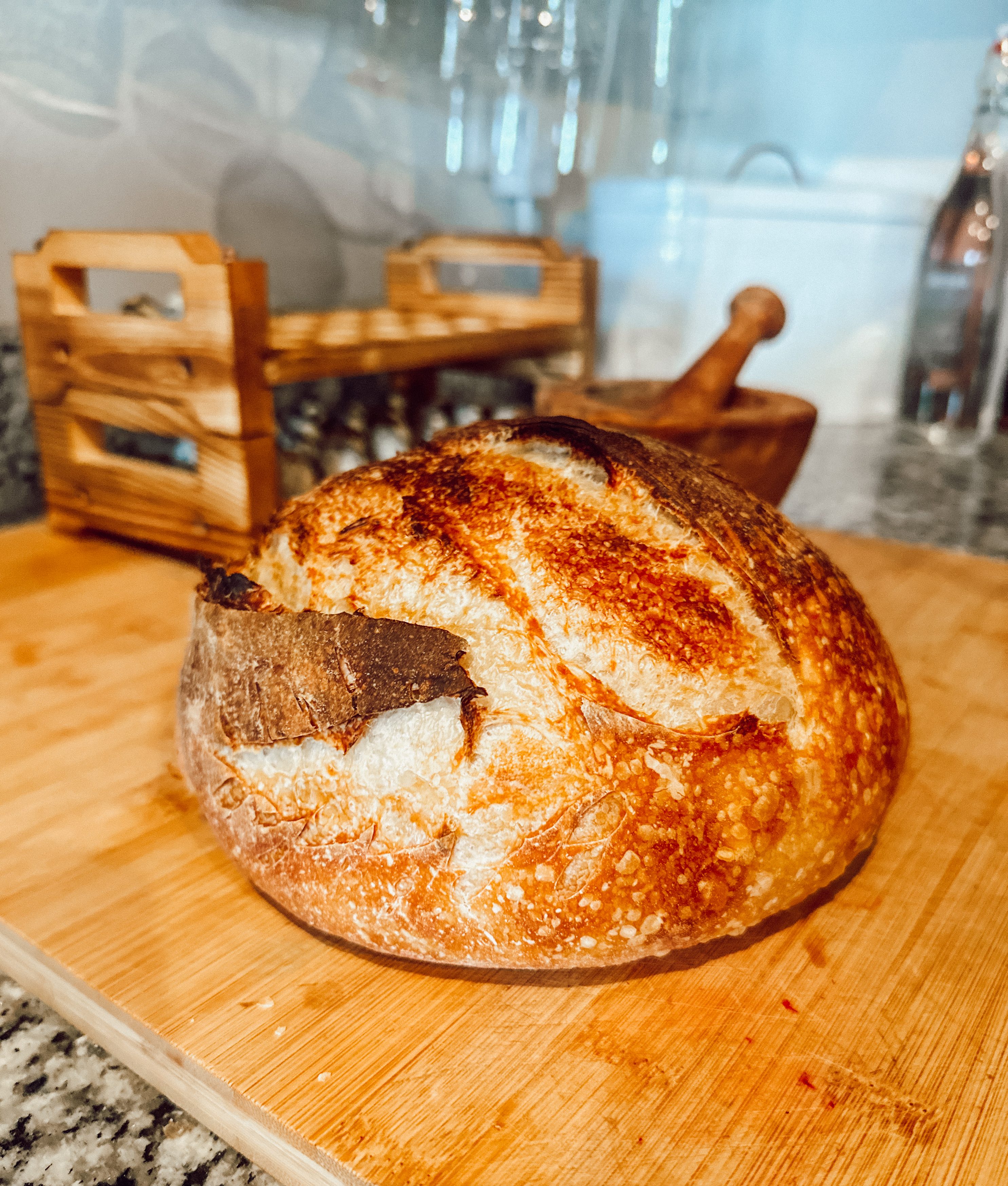
My Love-Hate Relationship with Sourdough
Ah, sourdough bread. The holy grail of home baking, the Mount Everest of yeast-based endeavors, and the reason my kitchen perpetually looks like a flour bomb exploded. If you’re reading this, you’re either a fellow sourdough enthusiast, a complete newbie, or someone just wondering why anyone would go through the hassle. Let me assure you, this journey is as rewarding as it is challenging. Grab your apron, because we’re diving into the wonderful, sometimes maddening world of sourdough bread making.
The Learning Curve: From Brick Loaves to Beautiful Boules
The Early Days: My Sourdough Struggles
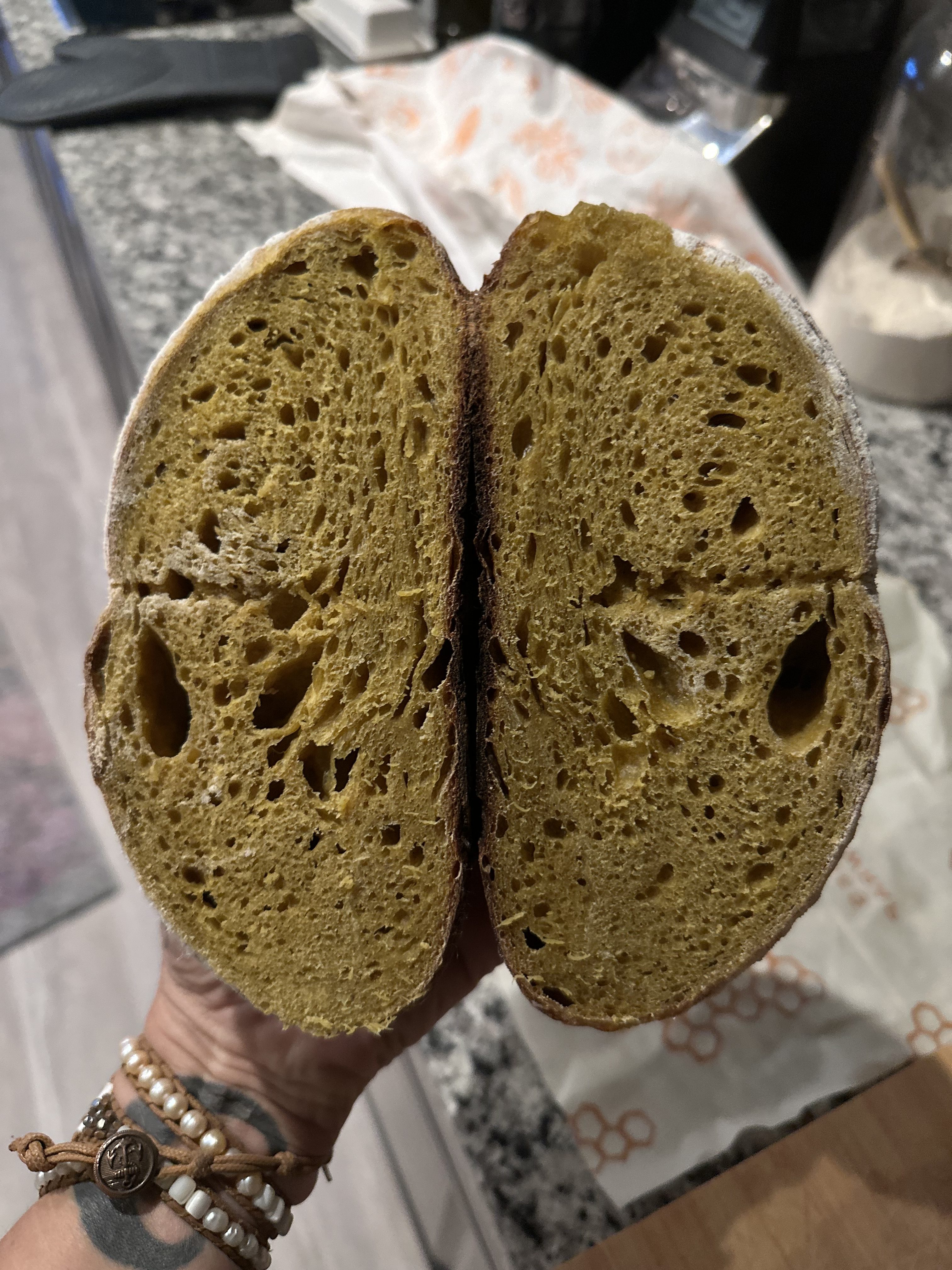
When I first started, my sourdough loaves could have doubled as doorstops. Here’s what I learned during those rocky (literally) early days:
- Feeding the Starter: Keeping a sourdough starter alive feels like caring for a pet. It needs regular feedings, a warm environment, and occasional pep talks.
- Patience is Key: Rushing the process only leads to dense, unappetizing bread. Good sourdough takes time, and there’s no way around it.
- Consistency: Maintaining a consistent routine with your starter and dough can make all the difference.
The Breakthroughs: Small Victories
After many, many attempts my bread finally started to rise. I had to troubleshoot a lot but it helped me to really figure out what my bread needed and what it didn’t knead… 😆
- Hydration Levels: Adjusting the water and the starter content of my dough helped immensely. The original recipe I tried called for less starter and I found using more was beneficial in my bread.
- Autolyse Stage: This is where you let the flour and water sit before adding the salt. I found that not doing this step was easier and my bread turned out better. I actually add my salt into the warm water before the starter and find that it does better at getting incorporated into the dough.
- Stretch and Fold: Instead of traditional kneading, gentle stretches and folds during the bulk fermentation period help to strengthen the dough. Initially I thought more was better but boy was I wrong! I would go around the bowl several times until it wouldn’t stretch anymore. I guess there is such thing as too much stretching. Now I only do one series of 4 stretch and folds around the bowl. This works out perfectly and my bread doesn’t come out hard as a rock now.
Why It’s Worth It: The Joys of Sourdough Success
Nutritional Powerhouse
Sourdough bread is like the superhero of the bread world when it comes to nutrients. Thanks to the fermentation process, it packs more vitamins, minerals, and antioxidants compared to other breads. This process breaks down complex carbs, making nutrients easier for our bodies to soak up. Plus, sourdough has lower levels of phytate, which is a pesky inhibitor that normally stops us from absorbing all those good nutrients.
Gut-Friendly Goodness
What makes sourdough a digestion champion? It’s the wild yeast and lactic acid bacteria that go to work neutralizing antinutrients found in grains. This means sourdough is much gentler on your stomach than breads made with brewer’s yeast. It’s also loaded with prebiotics and dietary fiber, which feed the beneficial bacteria in your gut, making digestion smoother and your tummy happier.
Blood Sugar Buddy
Sourdough scores a win with its low glycemic index. This means it has a slower impact on blood sugar levels, which is great news for folks managing diabetes, heart disease, high cholesterol, insulin resistance, or metabolic syndrome. So, you get to enjoy delicious bread without the worry of a blood sugar rollercoaster.
Common Challenges and How to Overcome Them
The Dreaded “Flat Loaf”
- Underproofing: Make sure your dough has enough time to rise. Use the finger dent test: if the dough springs back slowly, it’s ready.
- Weak Starter: Ensure your starter is active and bubbly before using it. Feed it regularly and keep it in a warm spot. I wrap mine in a towel now on my counter and it does great!
Sticky Dough Dilemmas
- Flour Types: Different flours absorb water differently. Experiment with a mix of bread flour , all purpose flour and whole wheat flour.
- Temperature Control: Dough behaves differently at various temperatures. Cooler dough is less sticky and easier to handle. I have also found that doing the final proof in the fridge yields a better loaf than leaving it on the counter! It also makes it easier to score.
Tips for New Bakers
- Start Simple: Begin with a basic sourdough recipe and gradually experiment with different flours and hydration levels.
- Join a Community: Online forums and social media groups are great for getting advice and sharing your sourdough journey.
- Keep a Journal: Track your feeding schedule, dough temperatures, and proofing times. It helps pinpoint what works and what doesn’t.
The Ultimate Reward
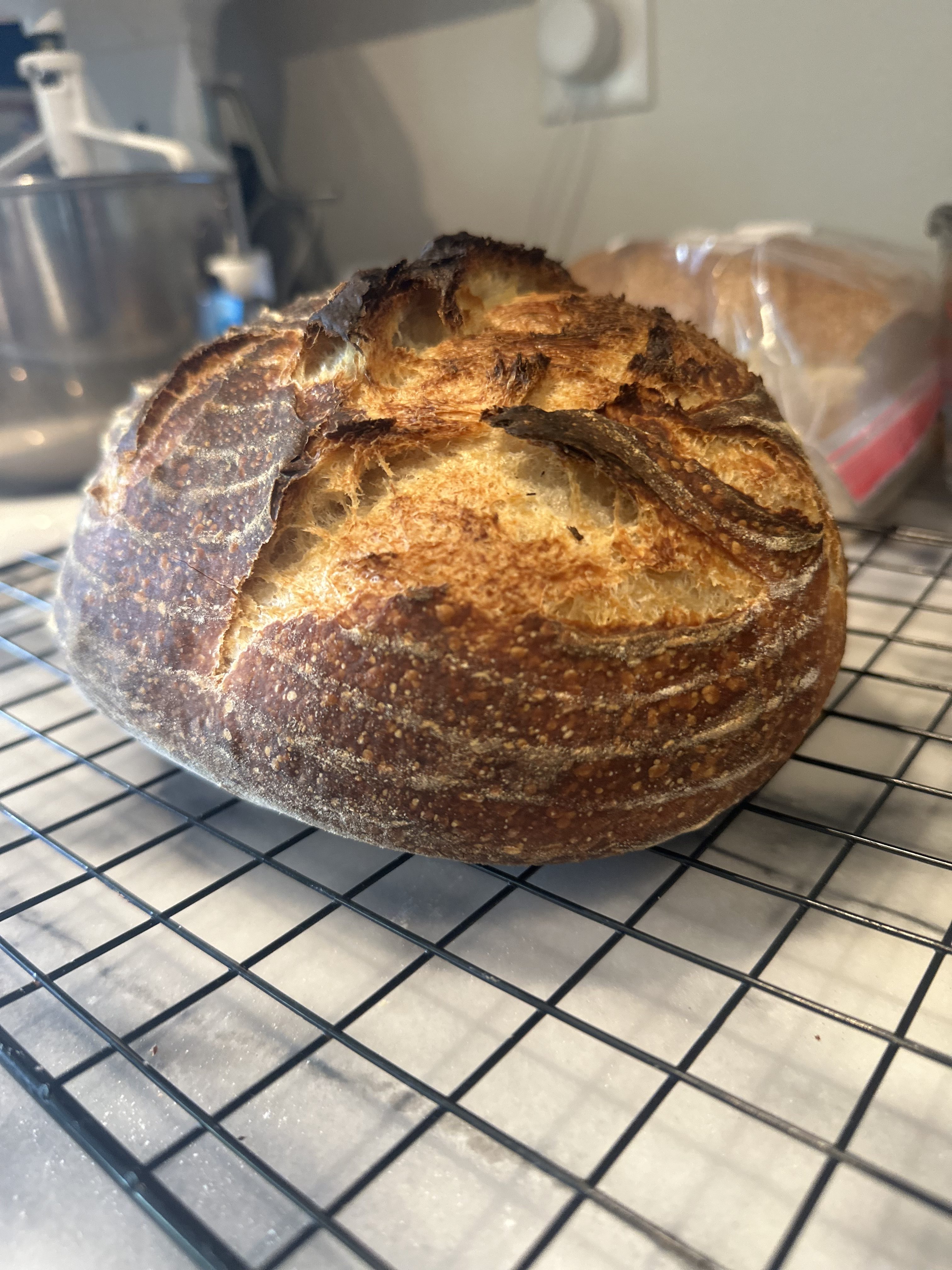
The process of making sourdough bread is a dance between art and science, patience and passion. Each loaf is a testament to your perseverance, a delicious reward for your hard work. So, whether you’re just starting out or have a few loaves under your belt, remember: every baker has their own sourdough saga. Embrace the trials, celebrate the triumphs, and keep baking!
Keywords: sourdough bread making, sourdough starter, sourdough bread recipe, homemade sourdough, sourdough baking tips
Feel free to share your own sourdough stories and tips in the comments below. Happy baking!

 The Wandering Walkers
Leave a comment